Researching your Relative
Tips on finding out more about your relative from the LiMMA Steering Group
As the LiMMA community and general interest in our forbearers grows, many of you are most likely saying "I want to know more" and rightly so, as we need to ensure the Men on the Lisbon Maru are remembered.
On the other hand, much of this information, in the form of various documents and photos, currently sits in the cupboards and computers of the LiMMA members.
The good news is this information is gradually emerging and being collected together by the LiMMA Steering Group.
In fact, the information which LiMMA currently holds relating to the POWs, their personal histories, the units and locations, which they were associated with is increasing daily.
This has resulted in an immediate requirement to set up a central data store, which will eventually provide a valuable resource for relatives to use themselves.
In the meantime, this resource can be used by the LiMMA Steering Group to help you if you hit a block. We have all been there, so Ken Williams, a member of the LiMMA Steering Group, has compiled our experience and put together the first of several guides to help you.
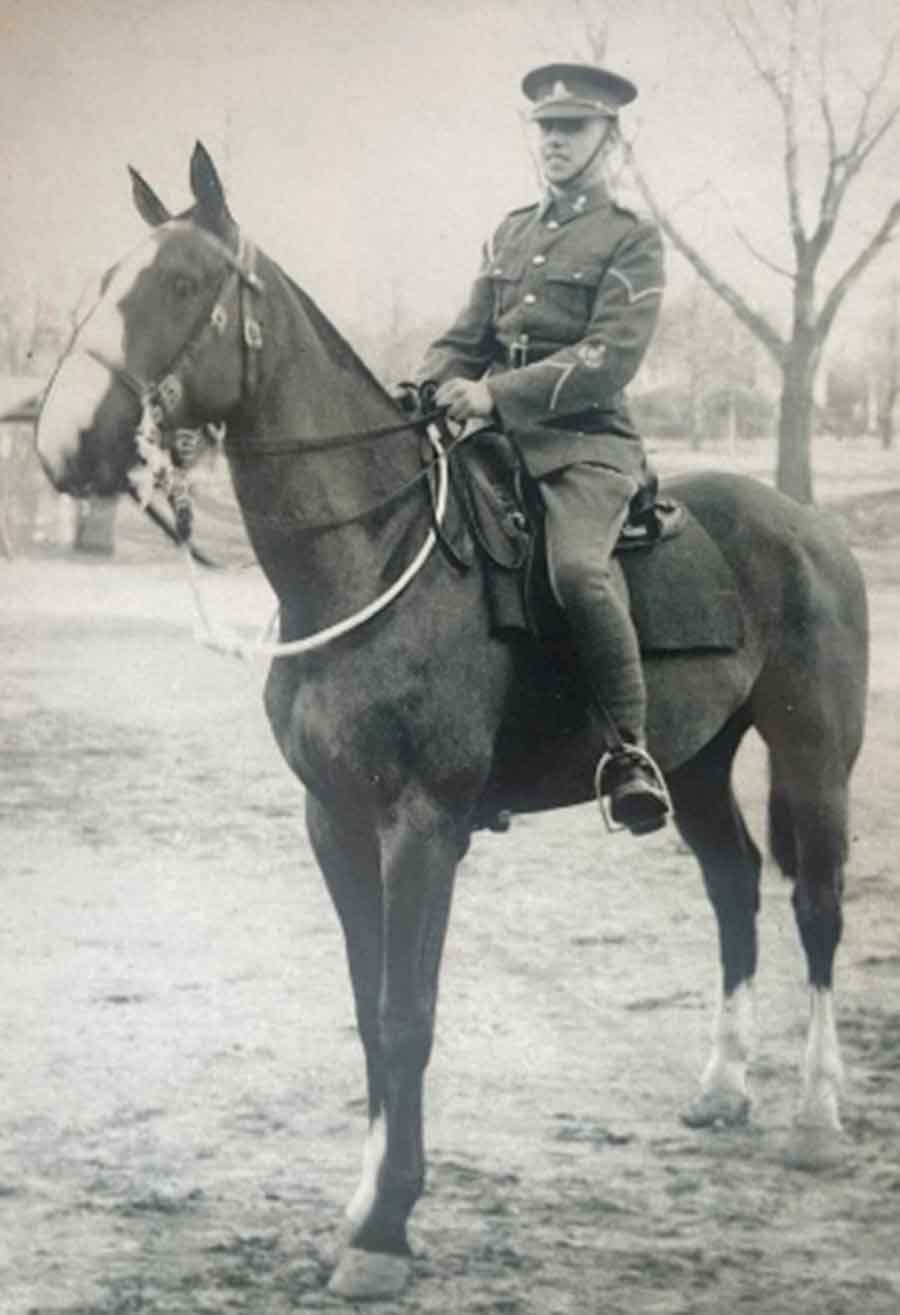
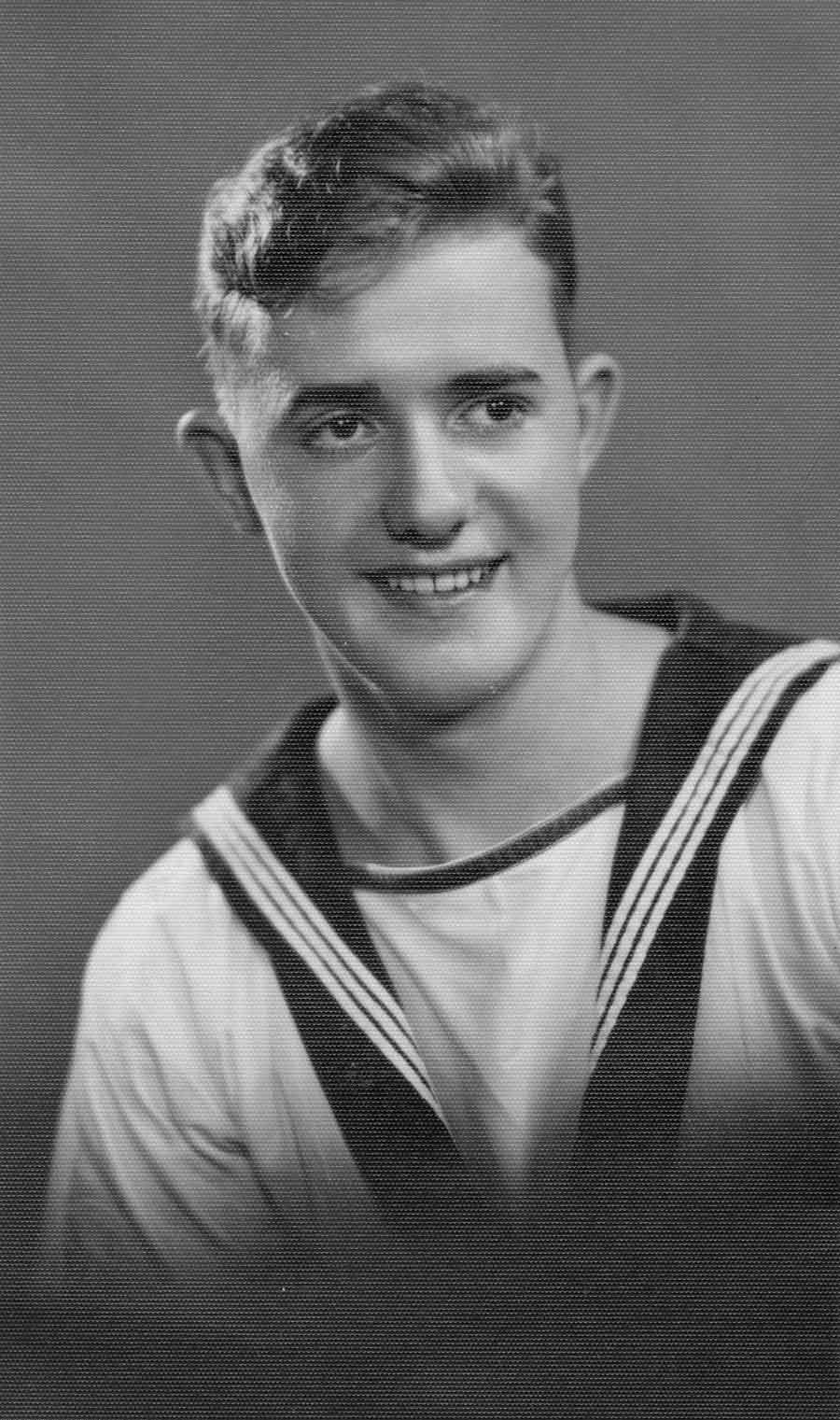


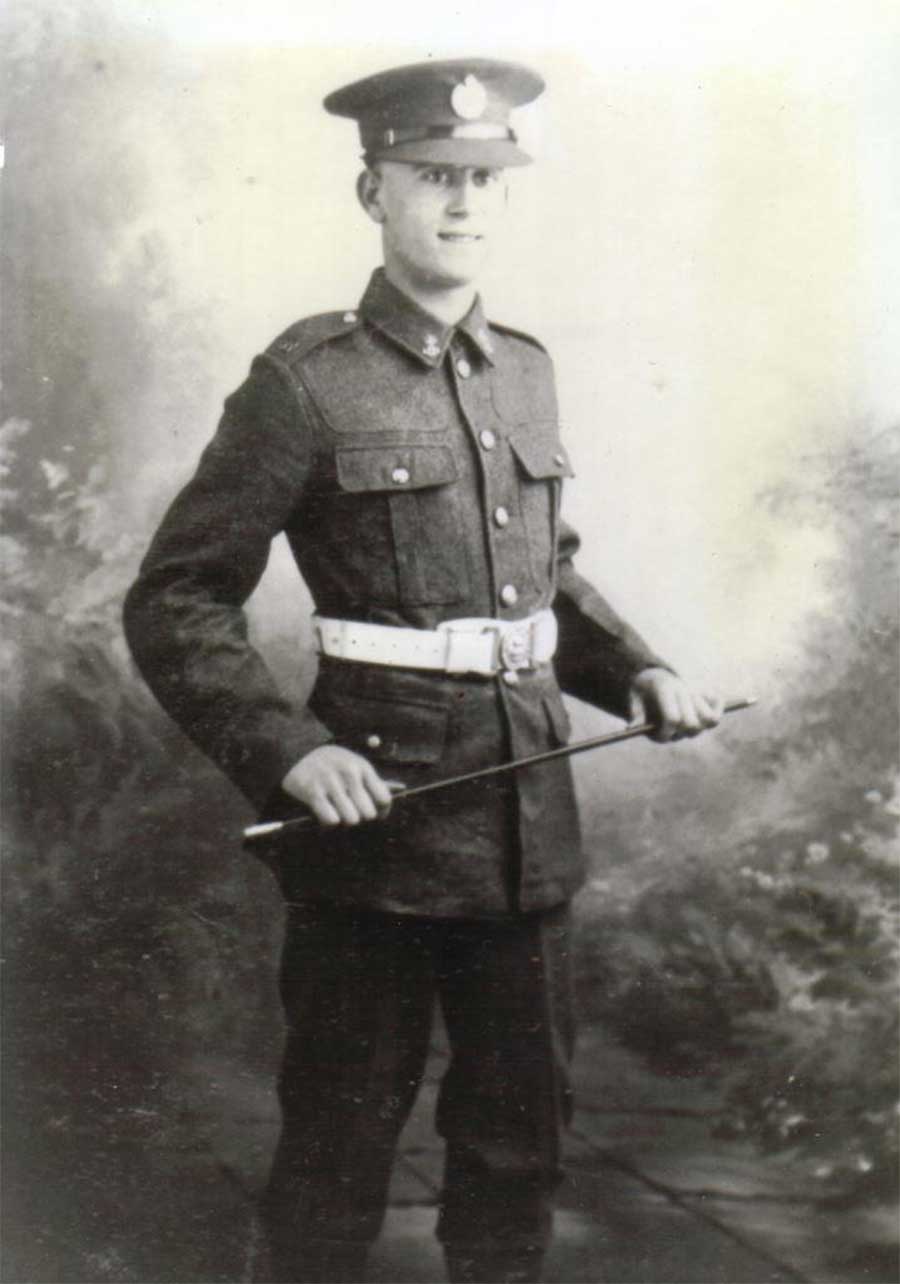
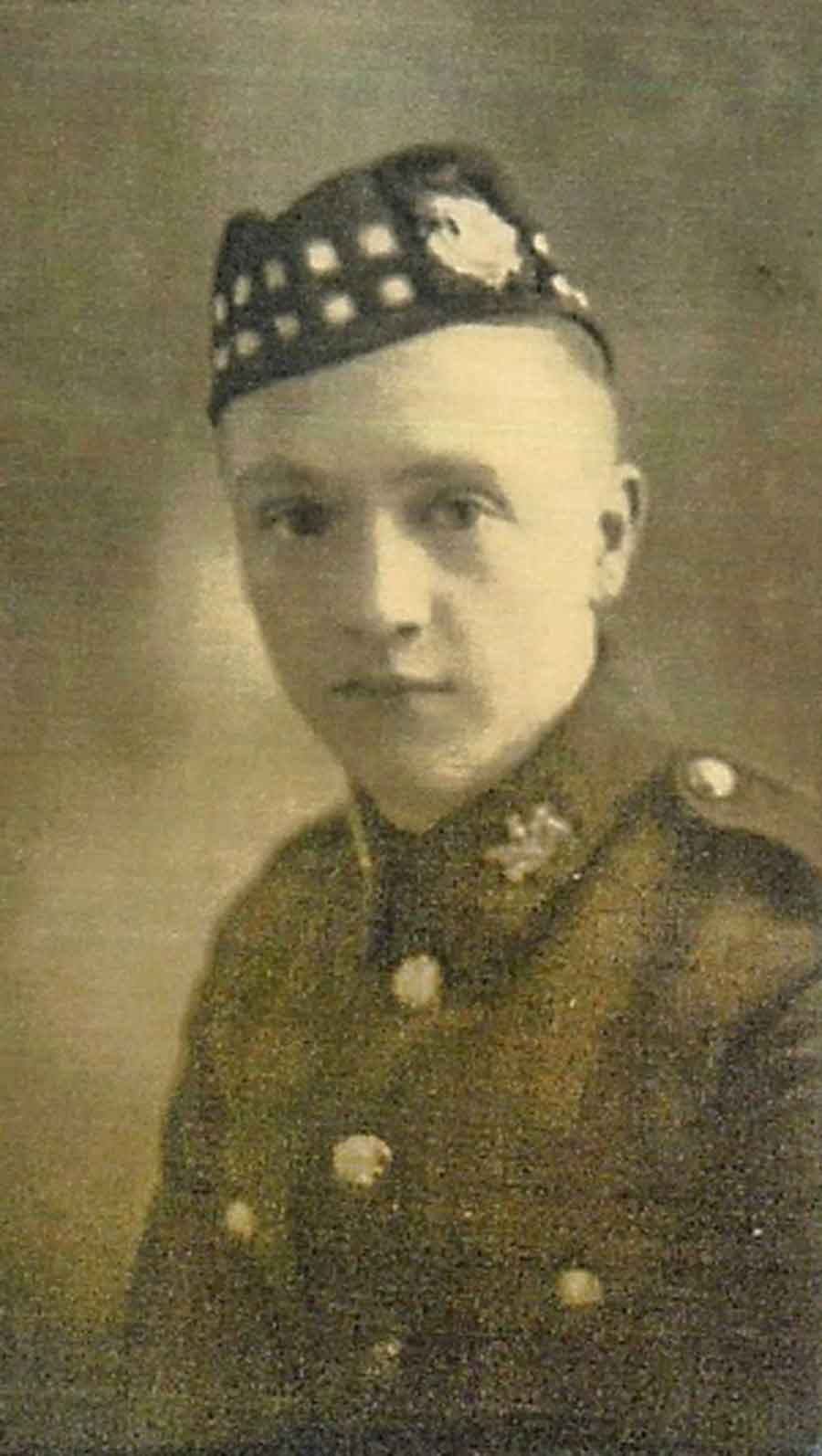
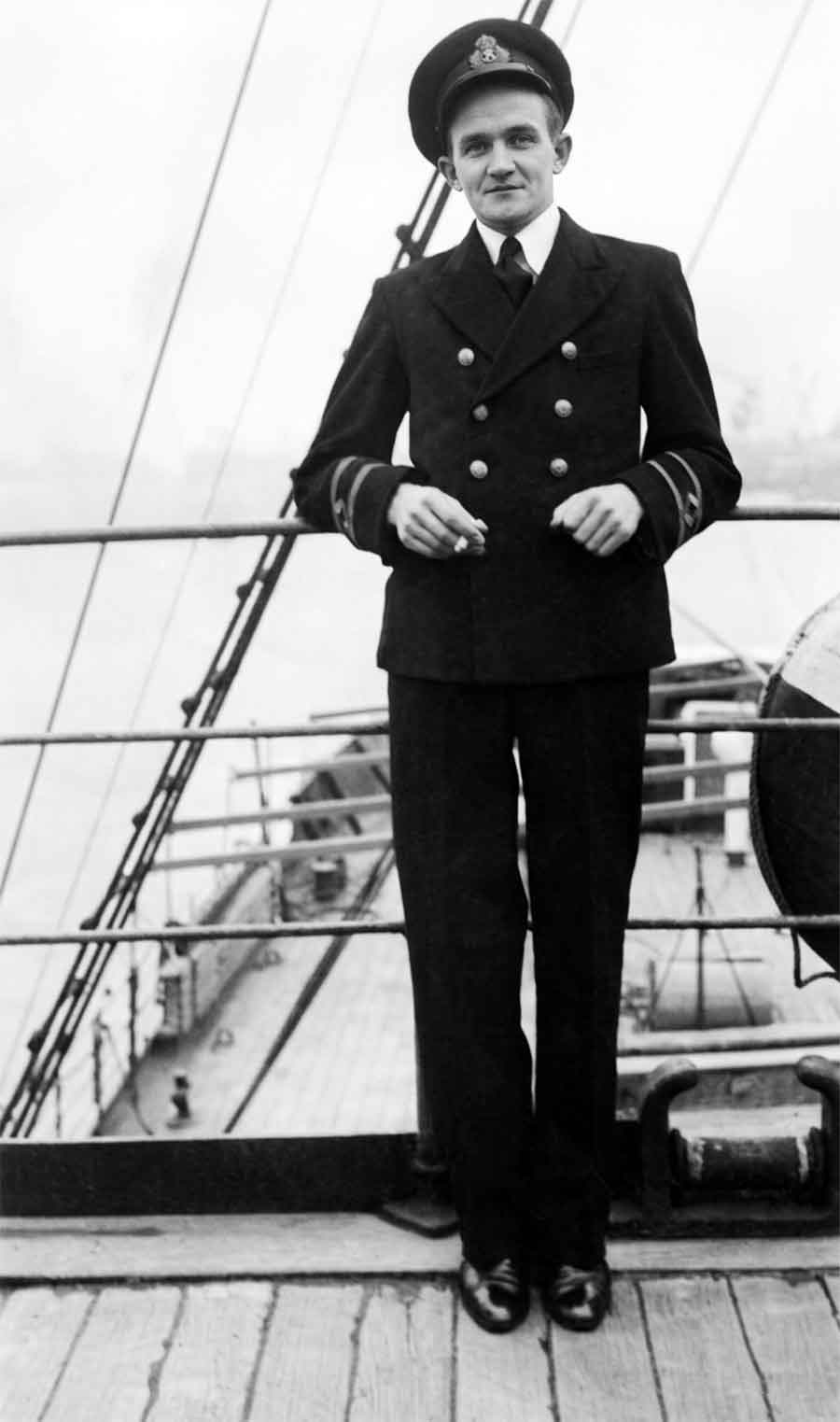


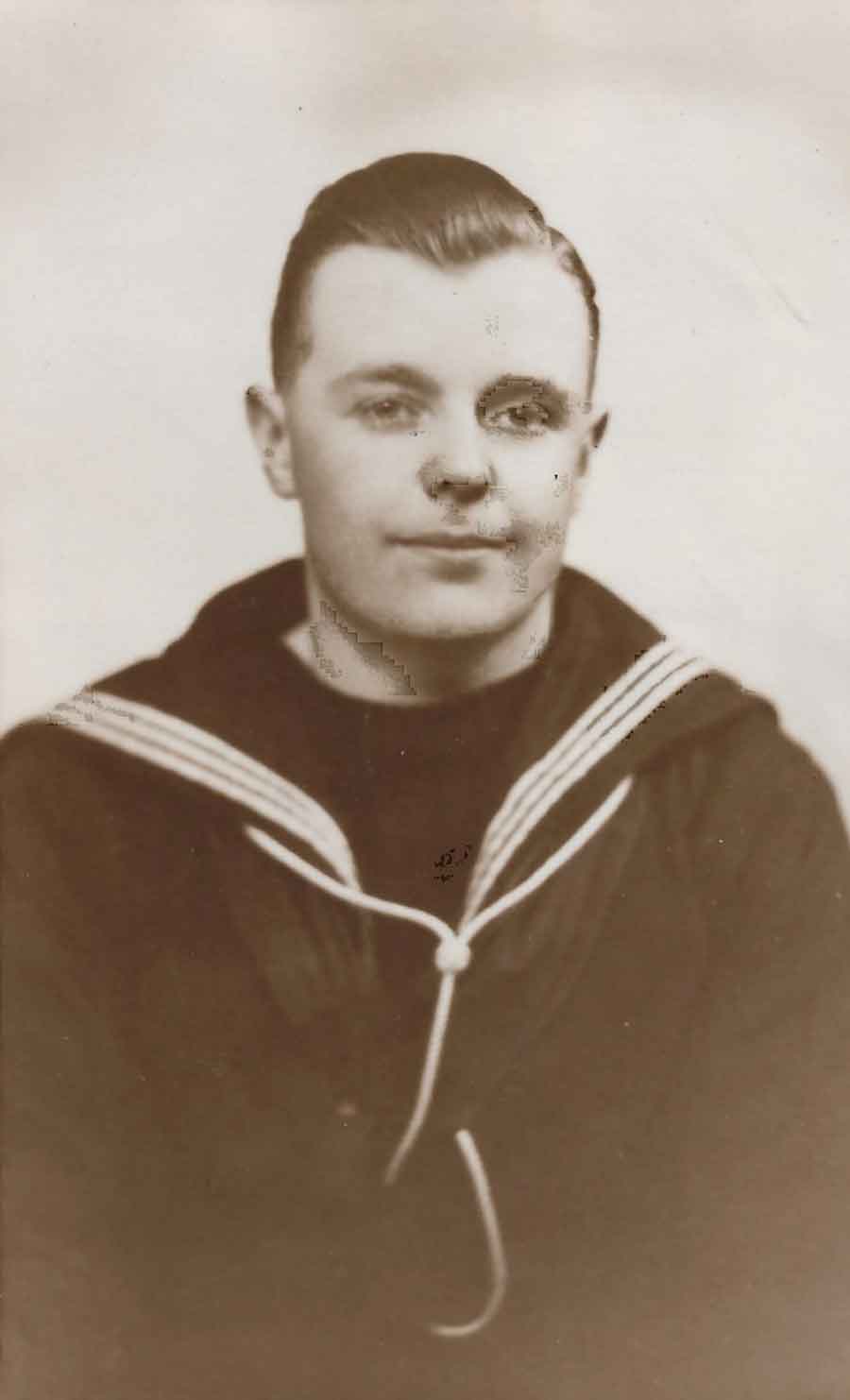
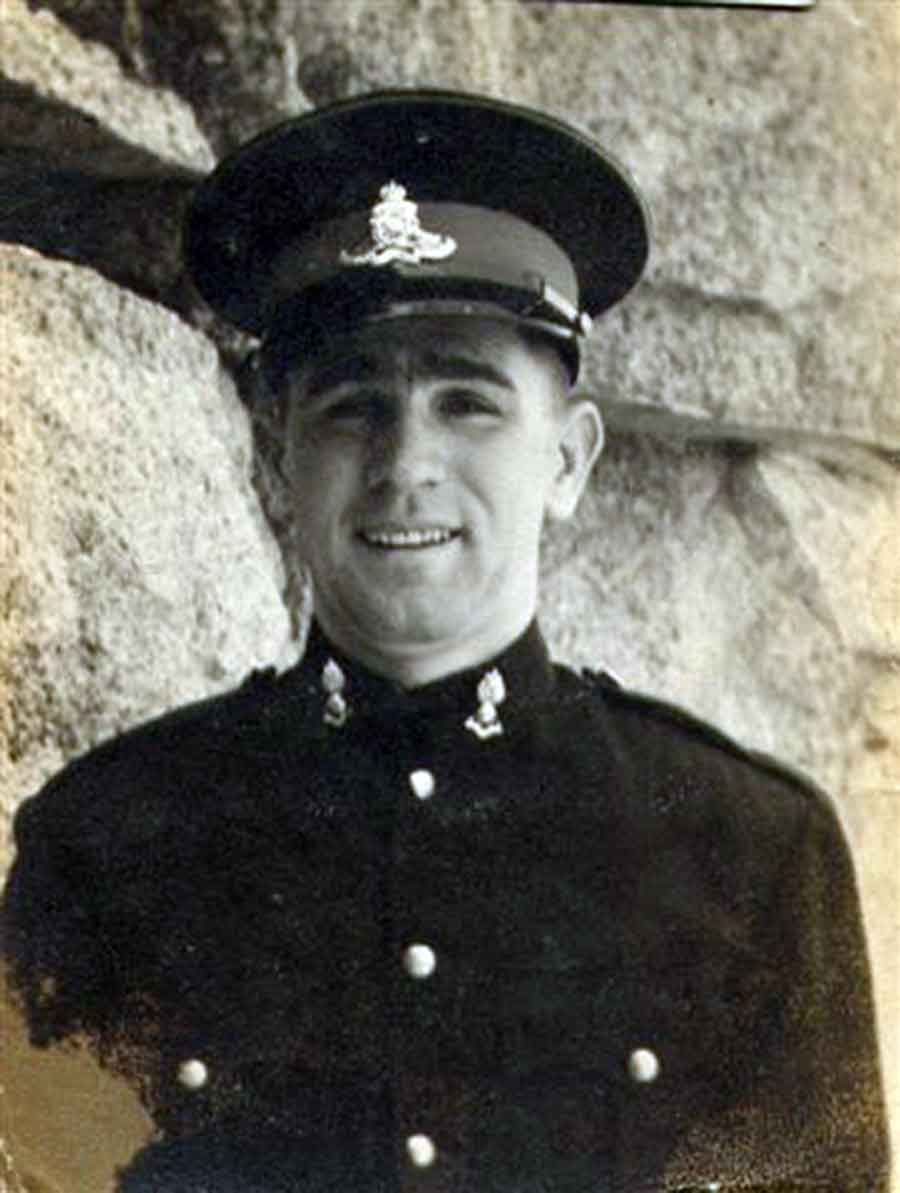

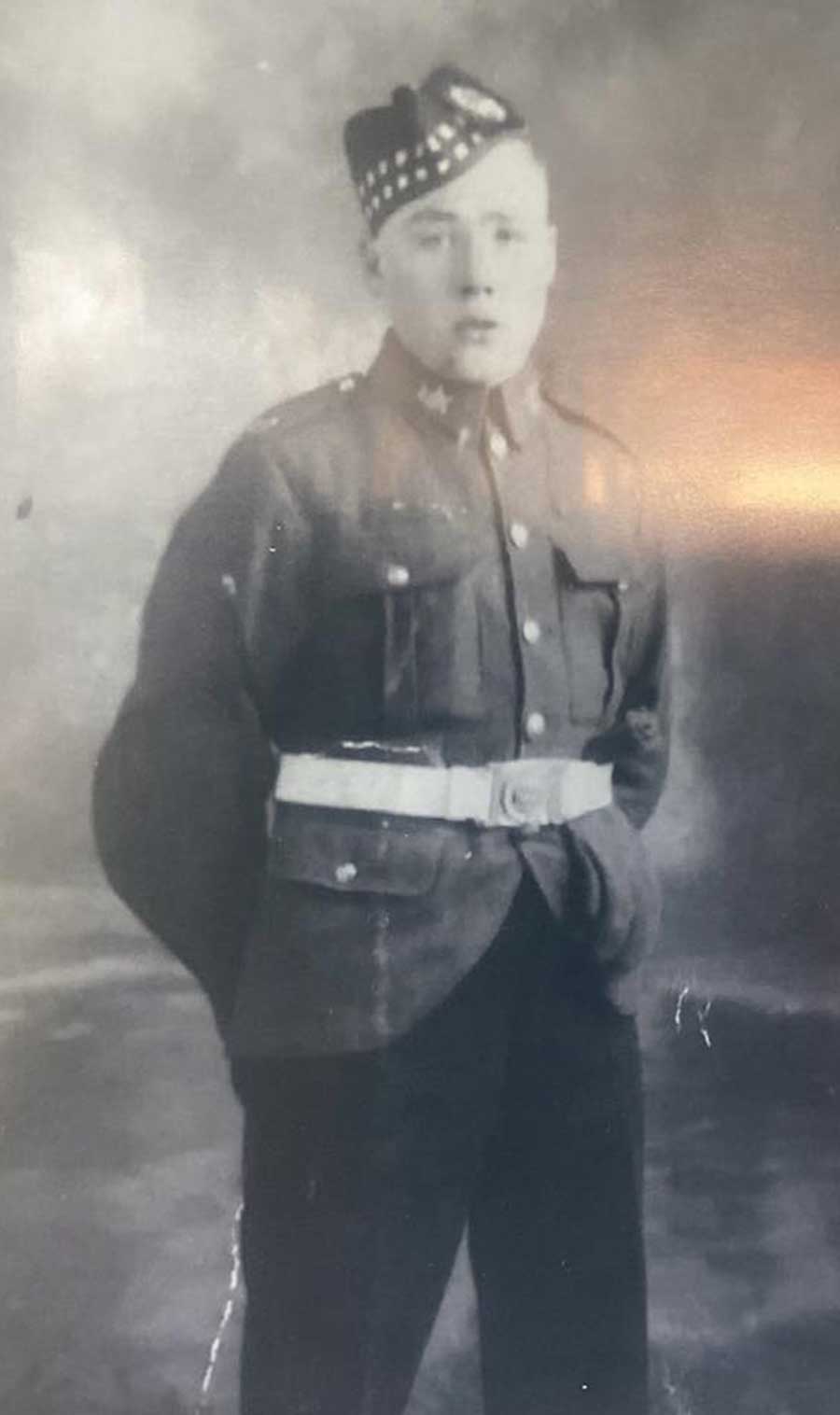
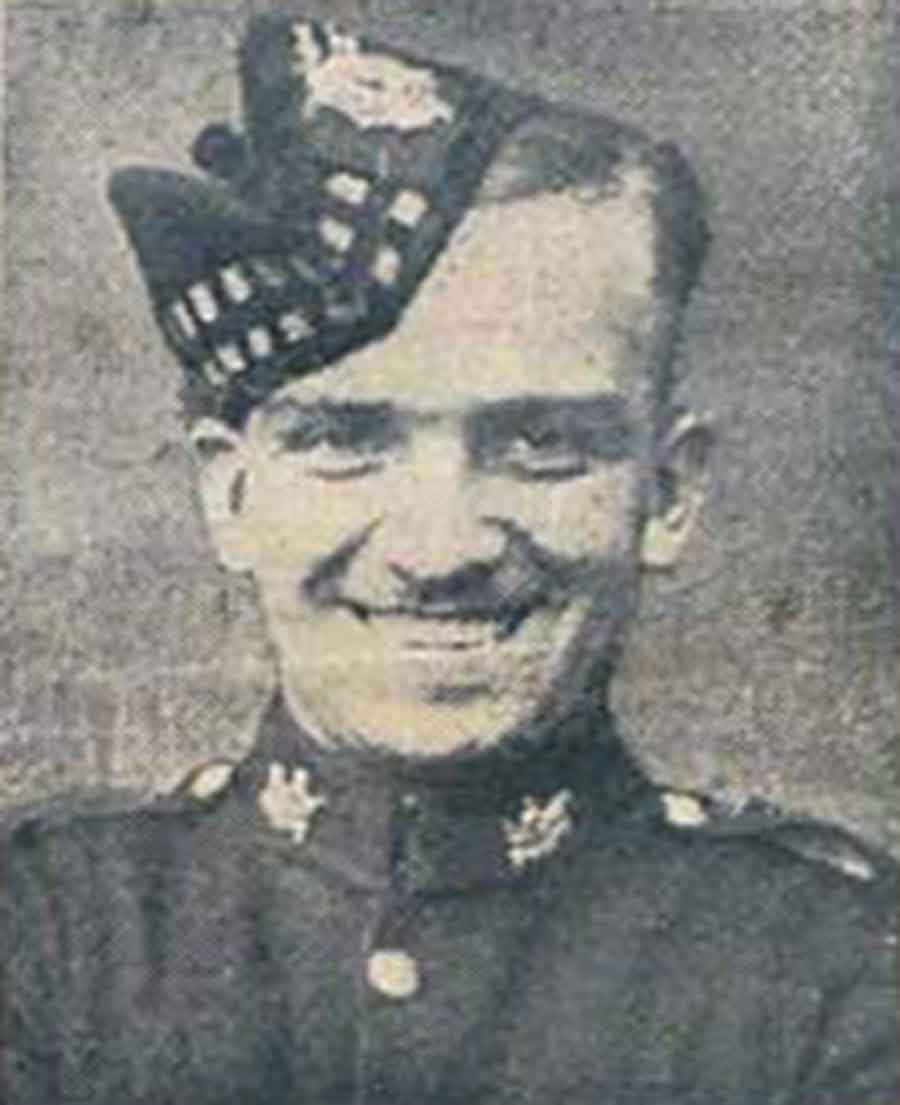

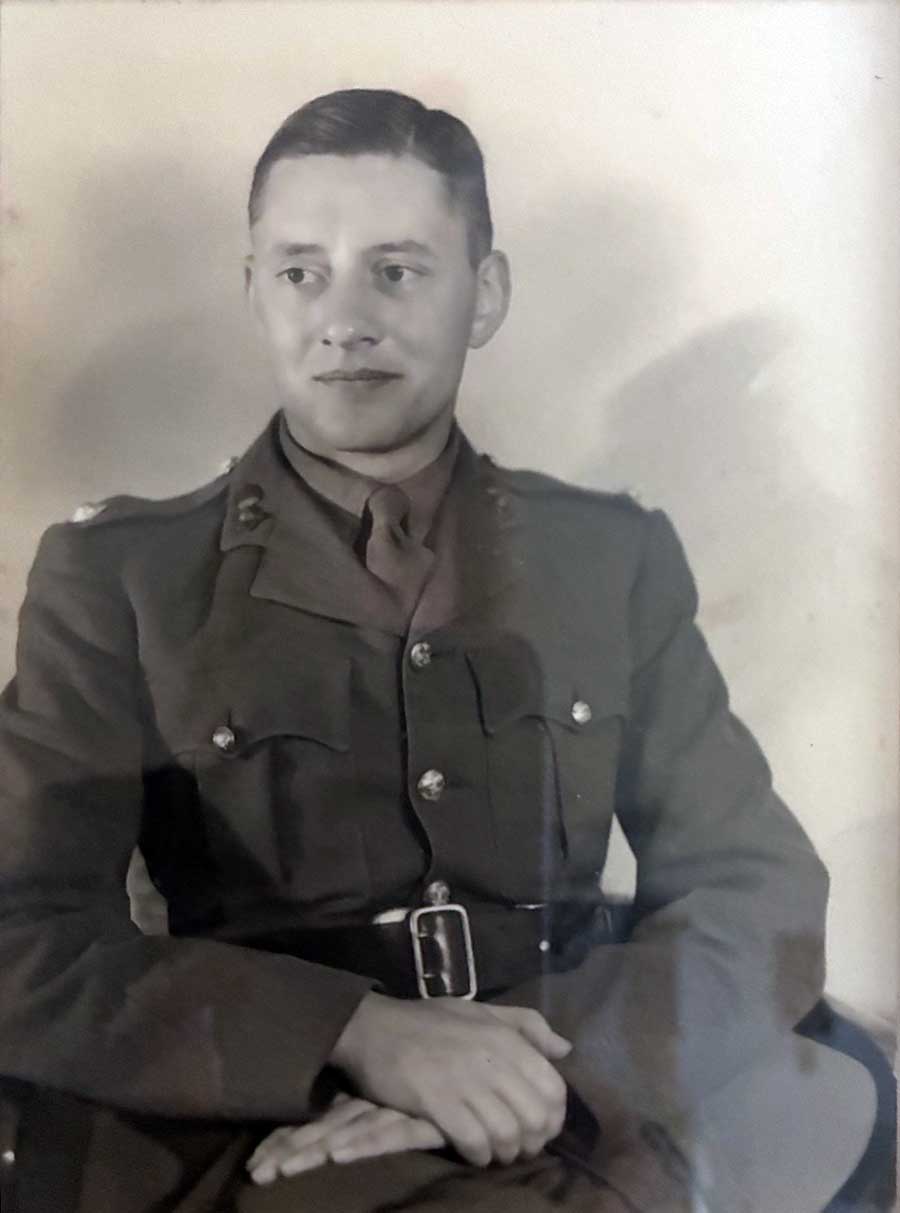
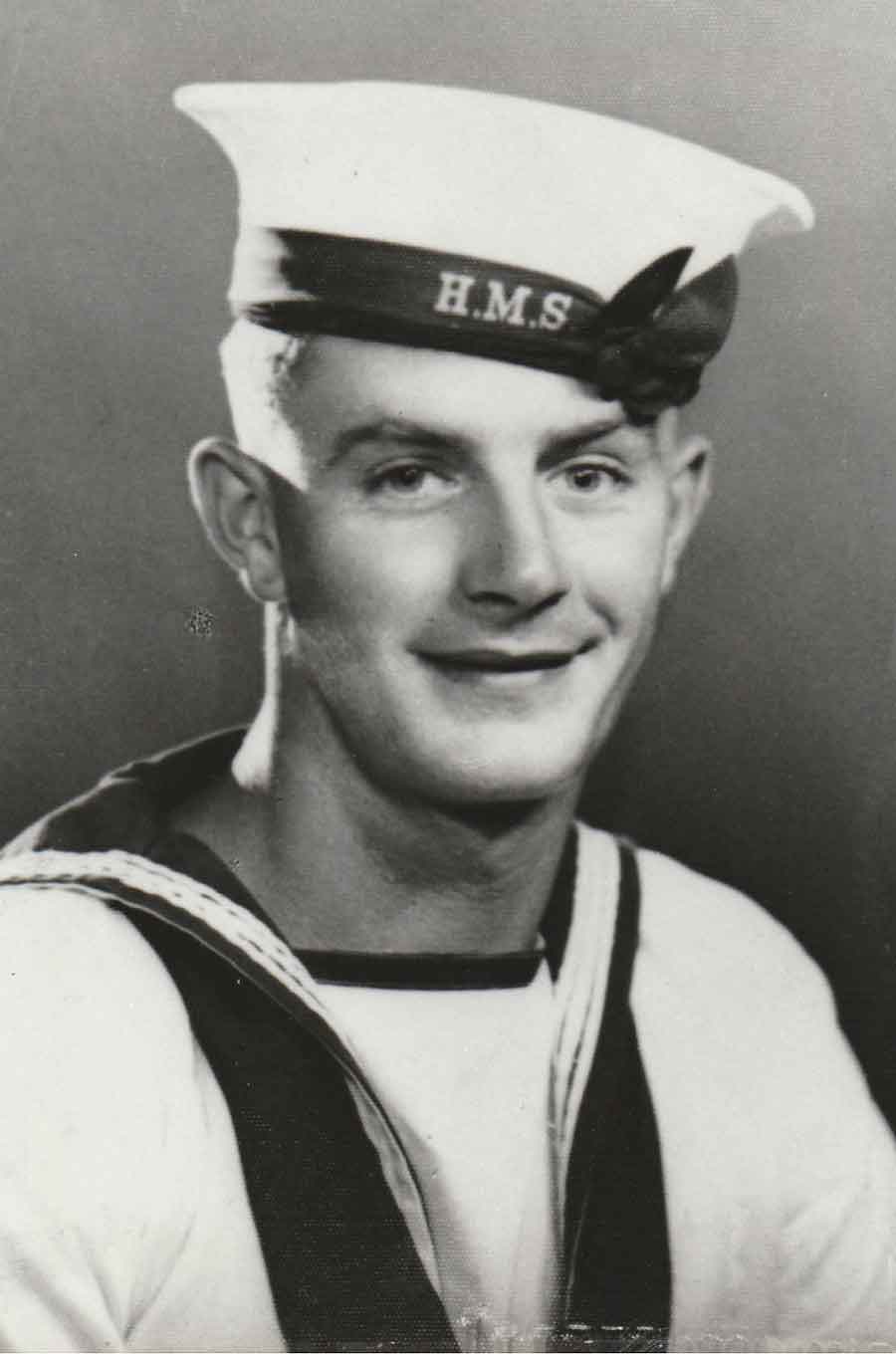



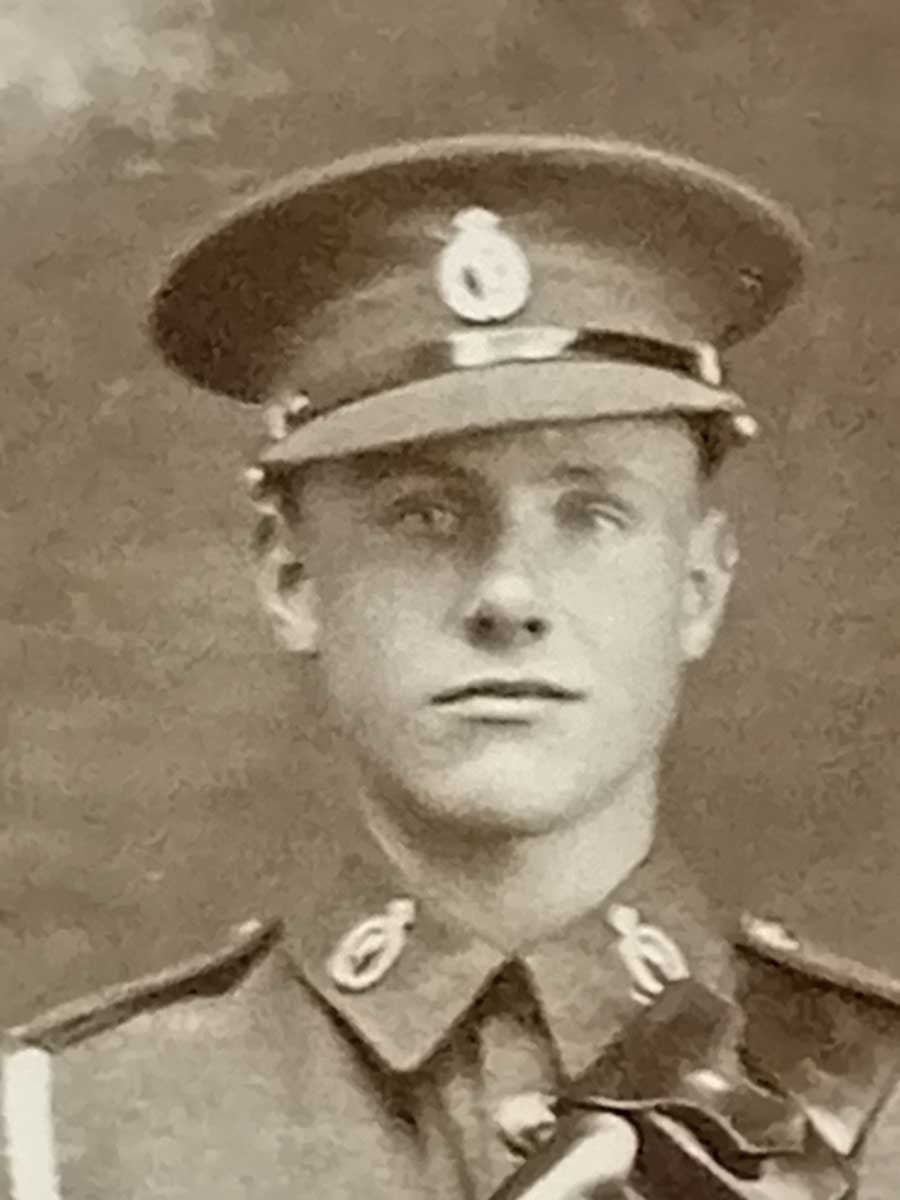

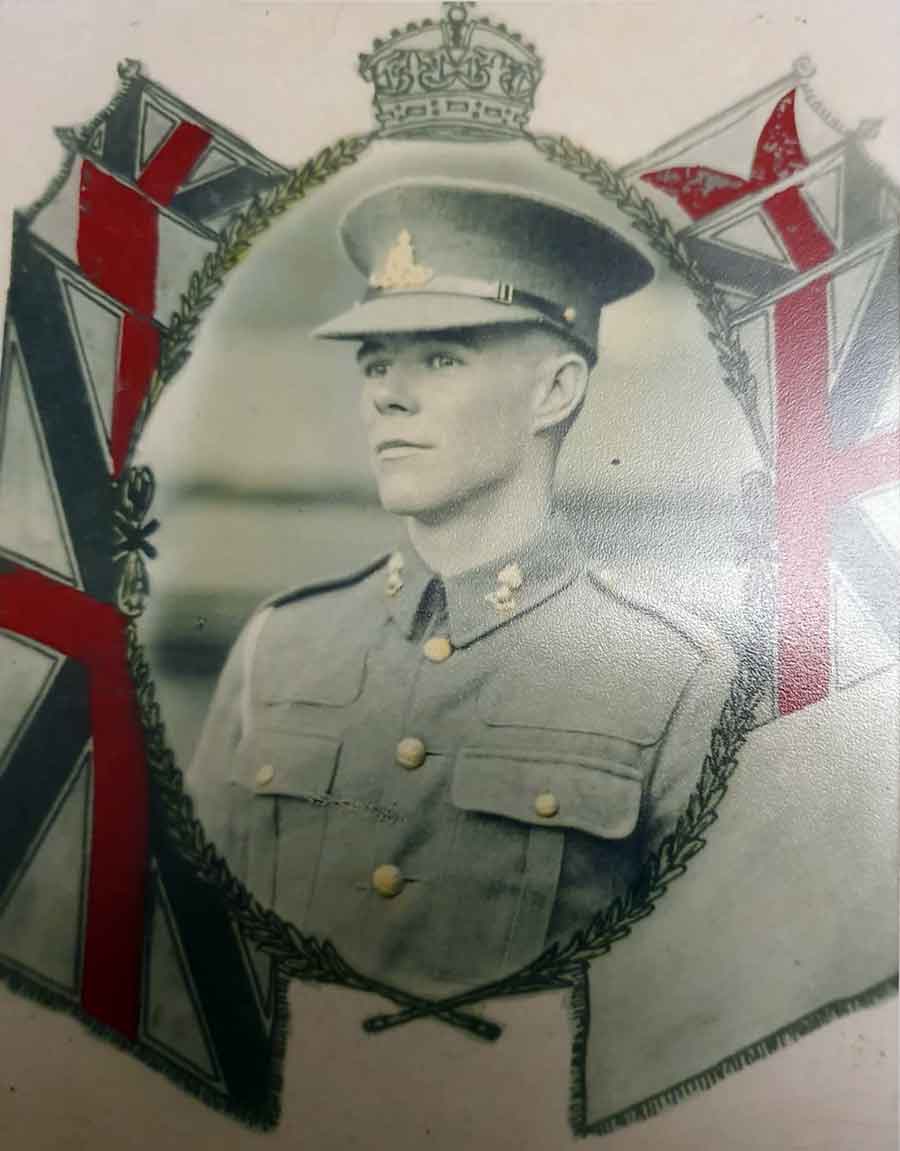



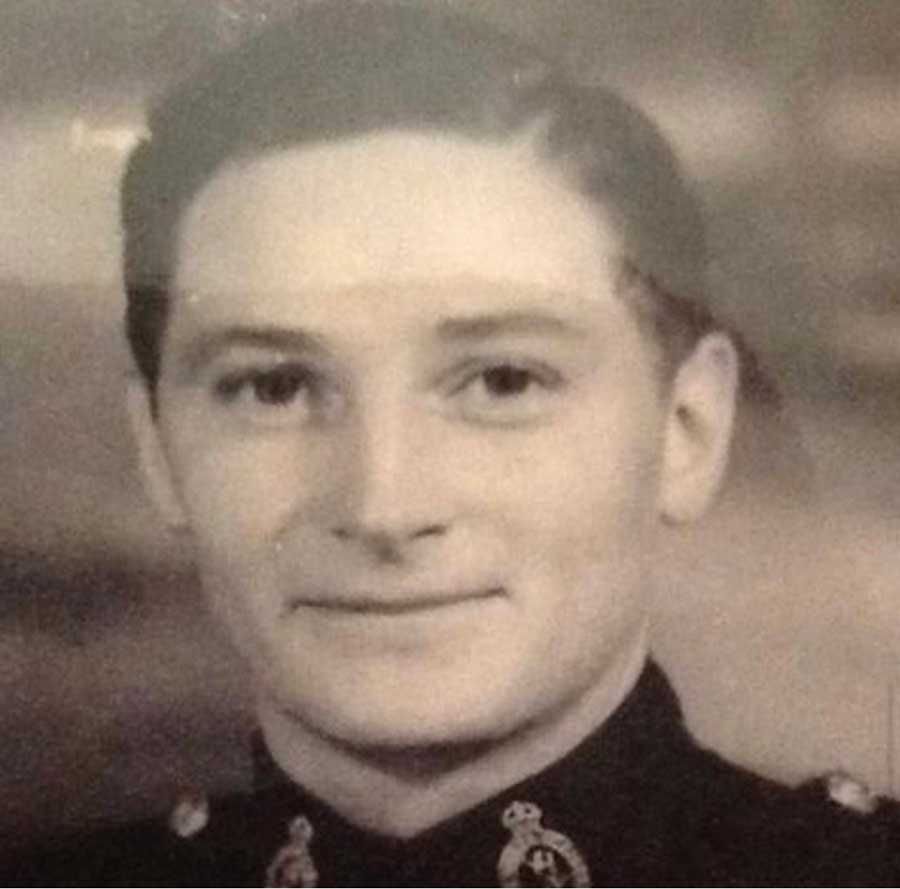
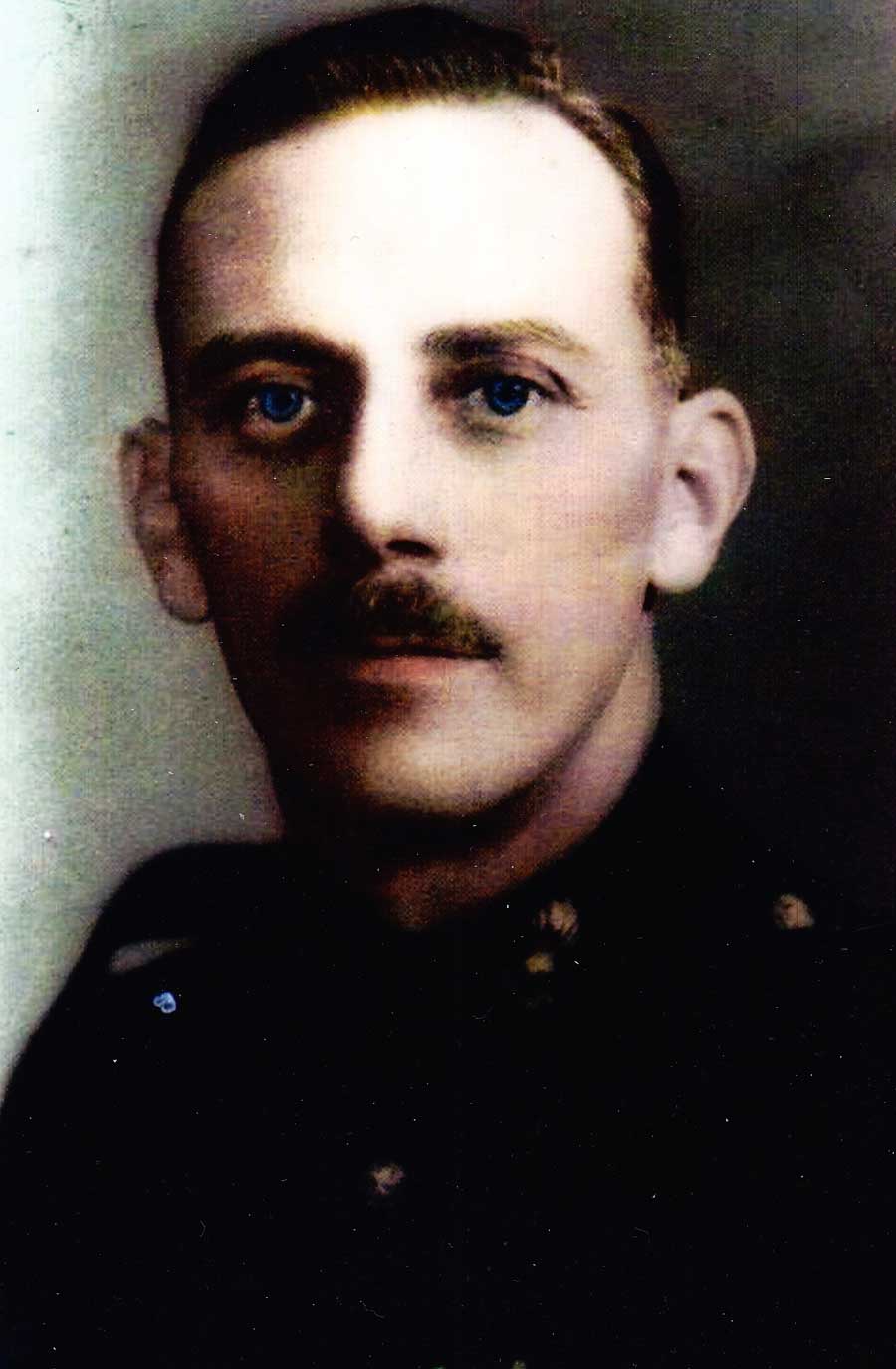
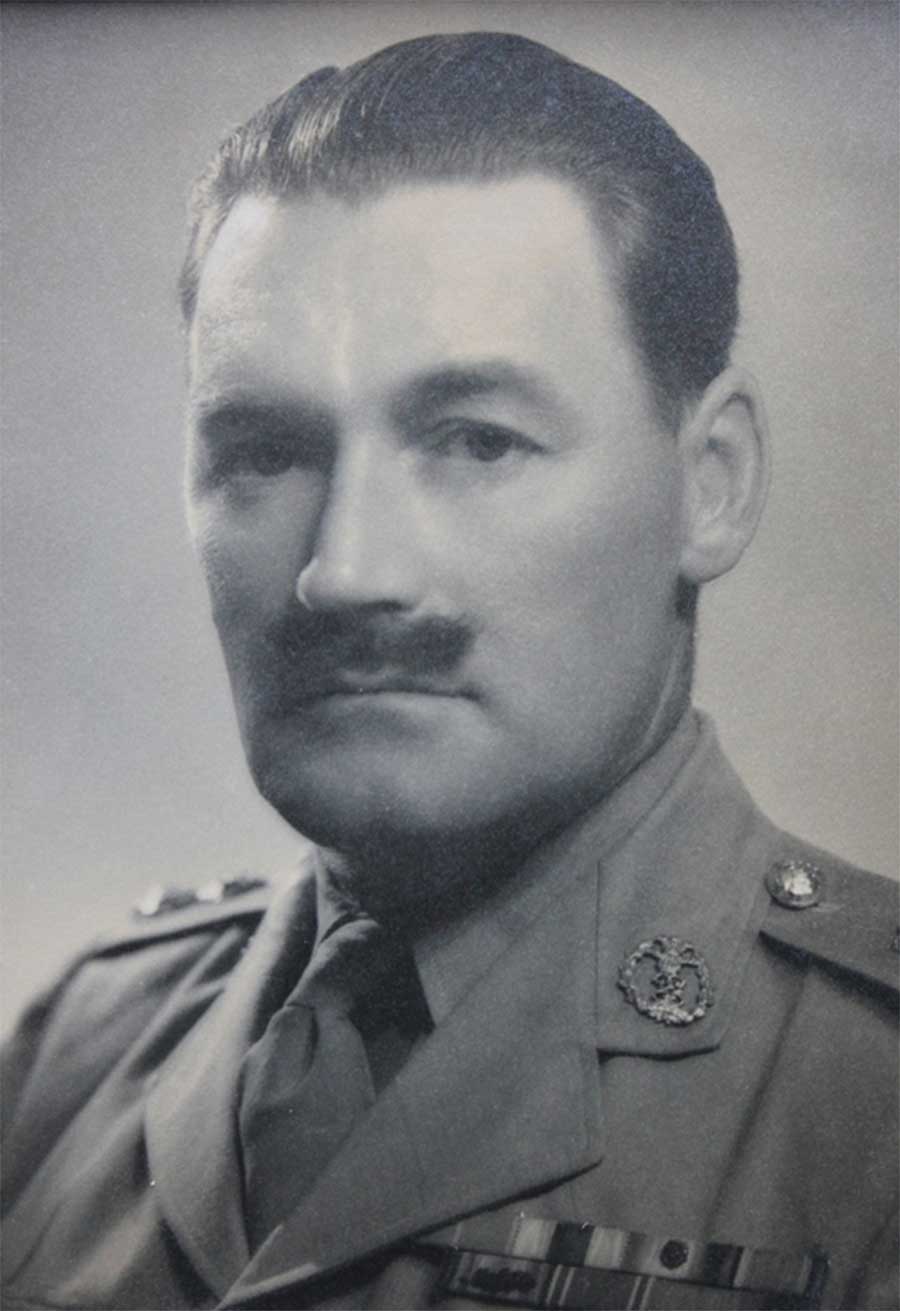
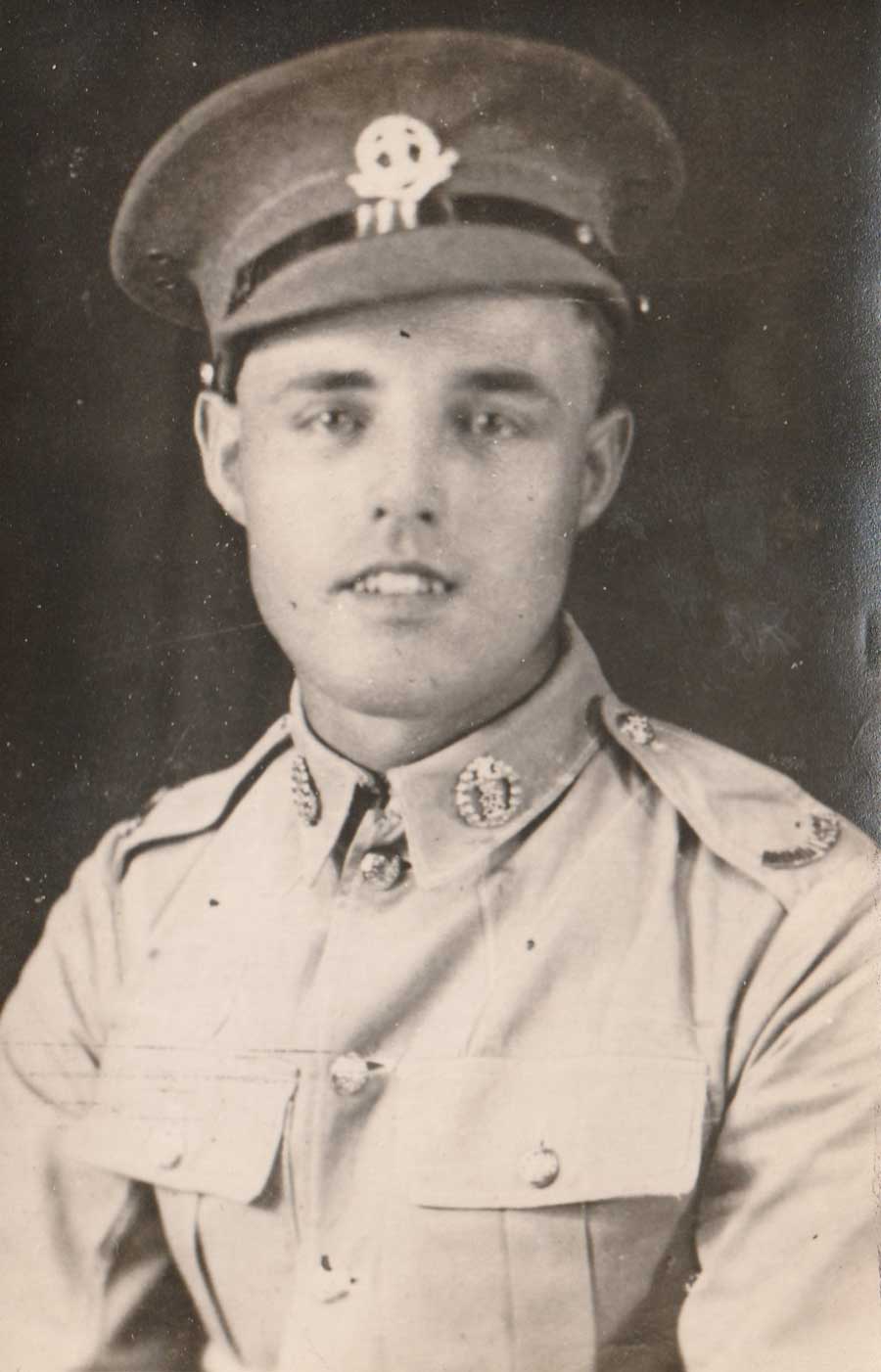
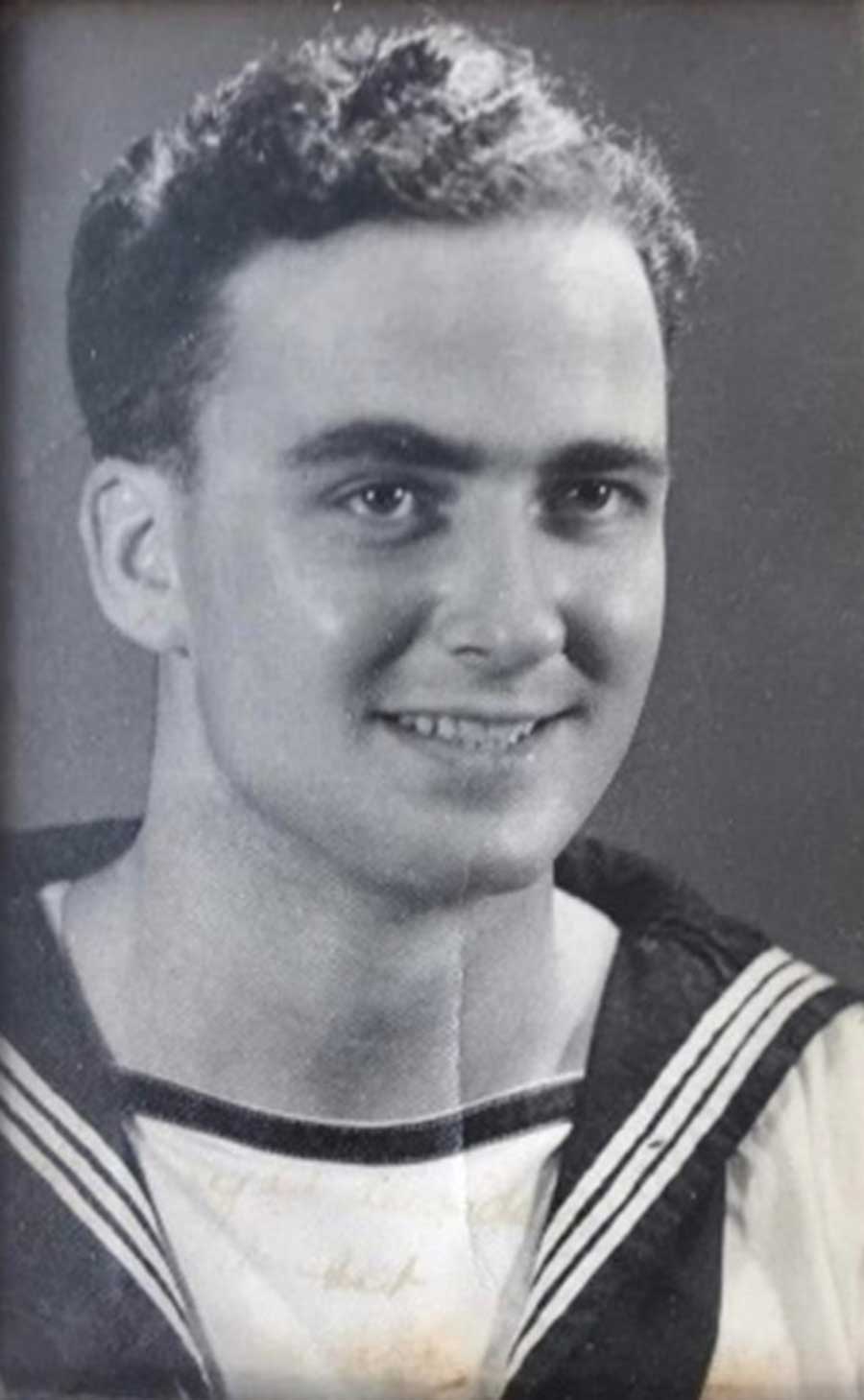

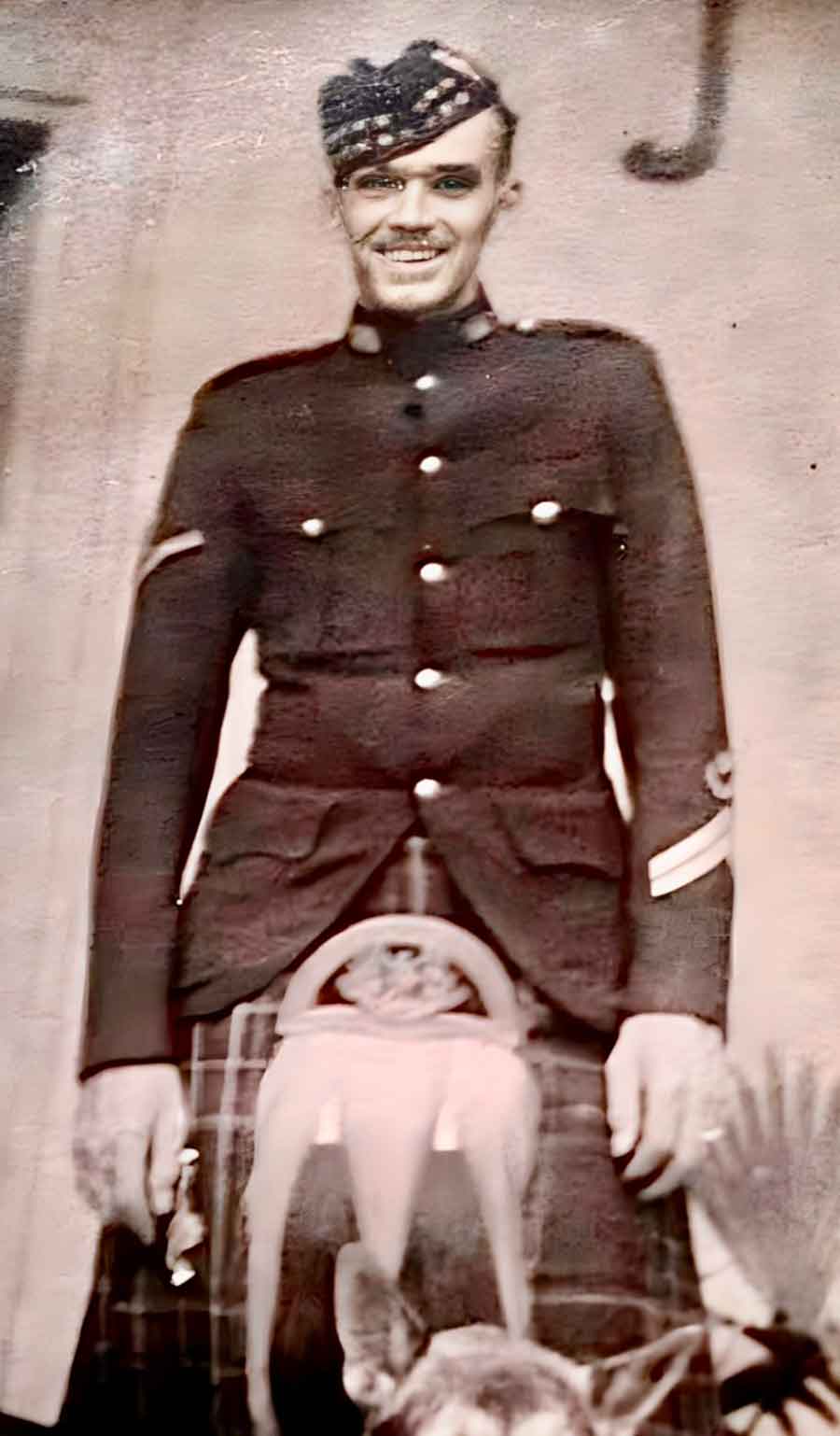
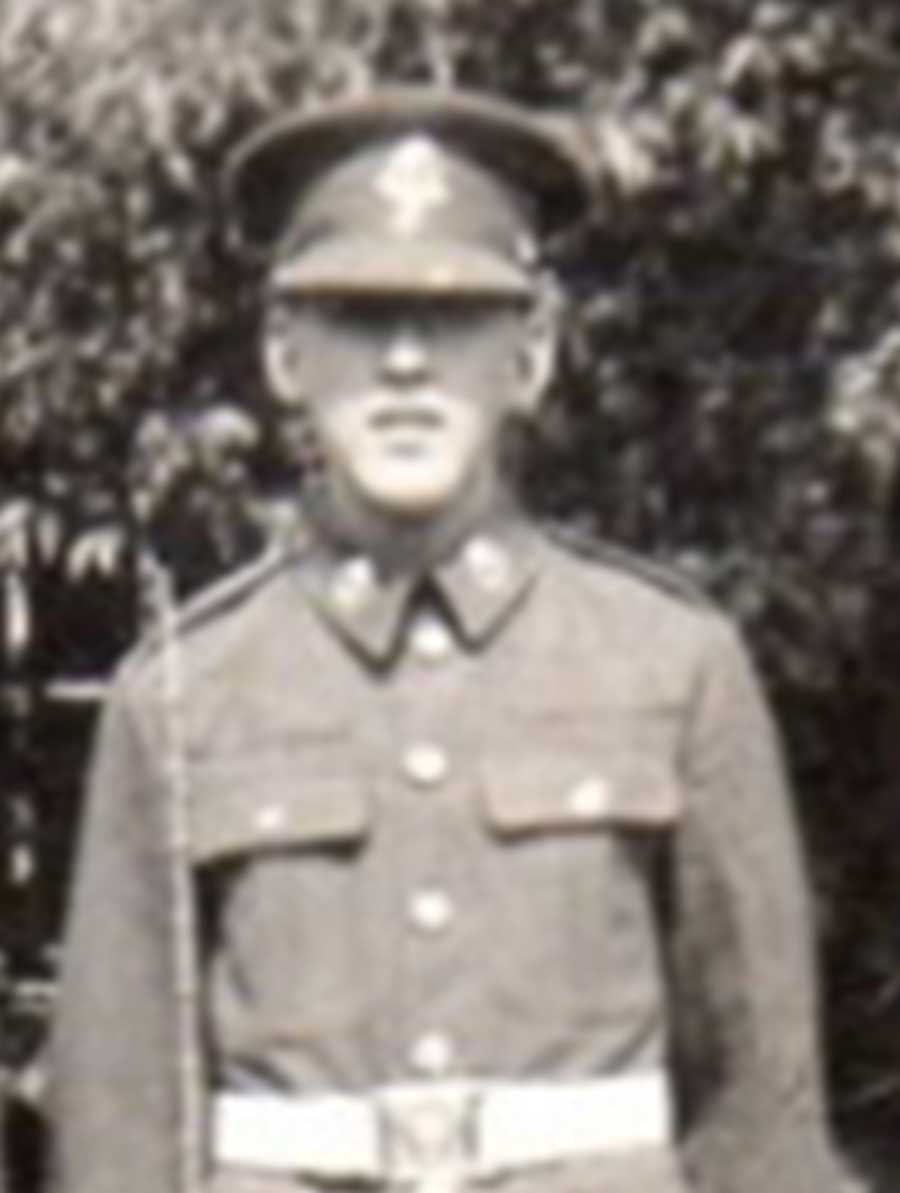
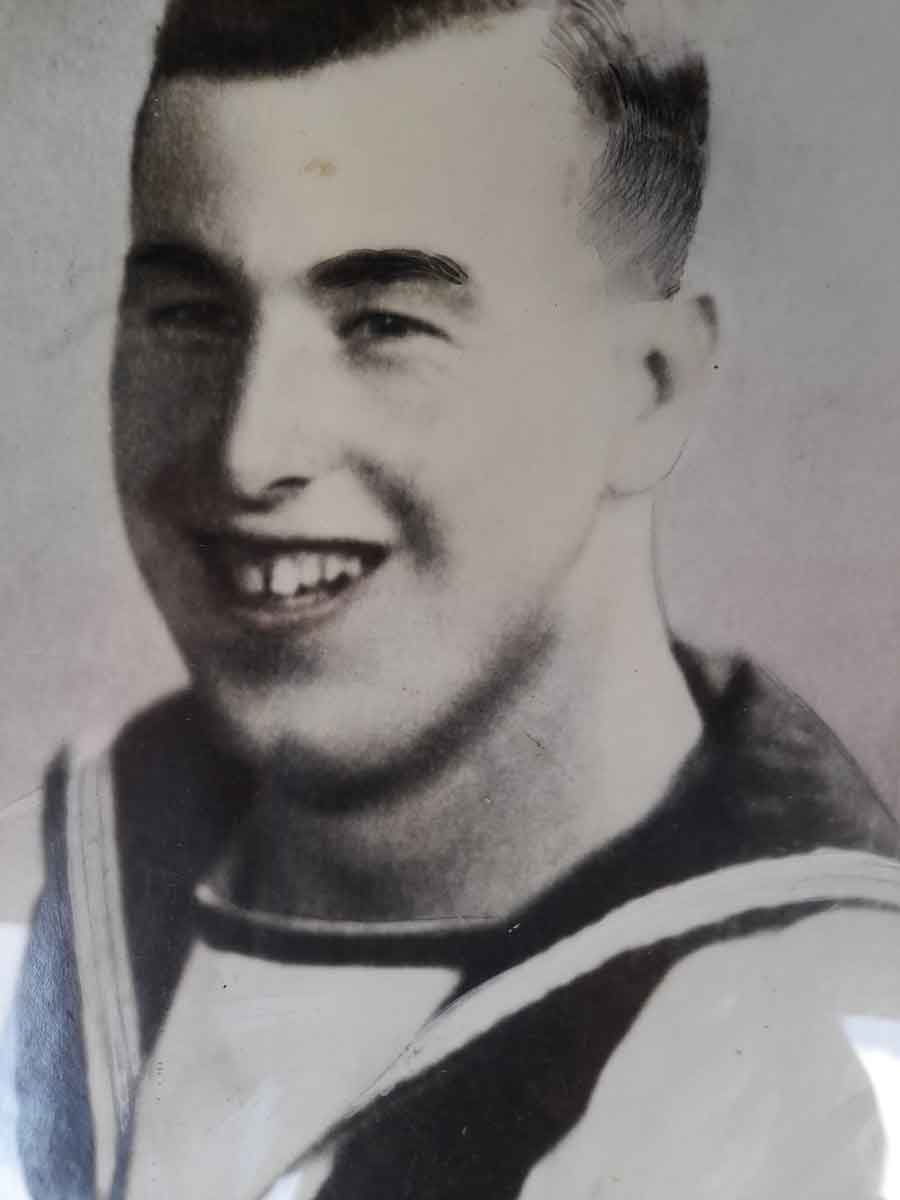
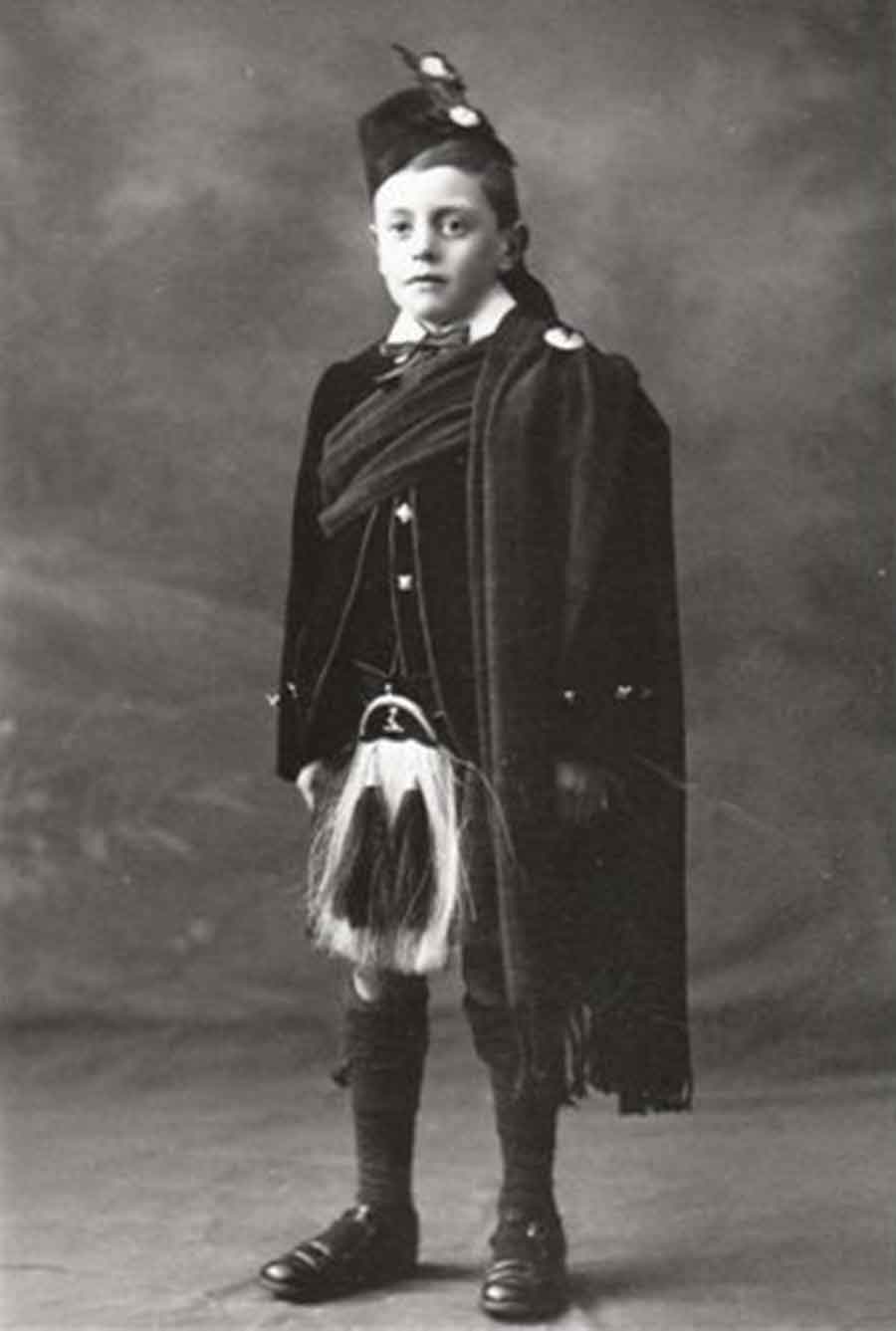
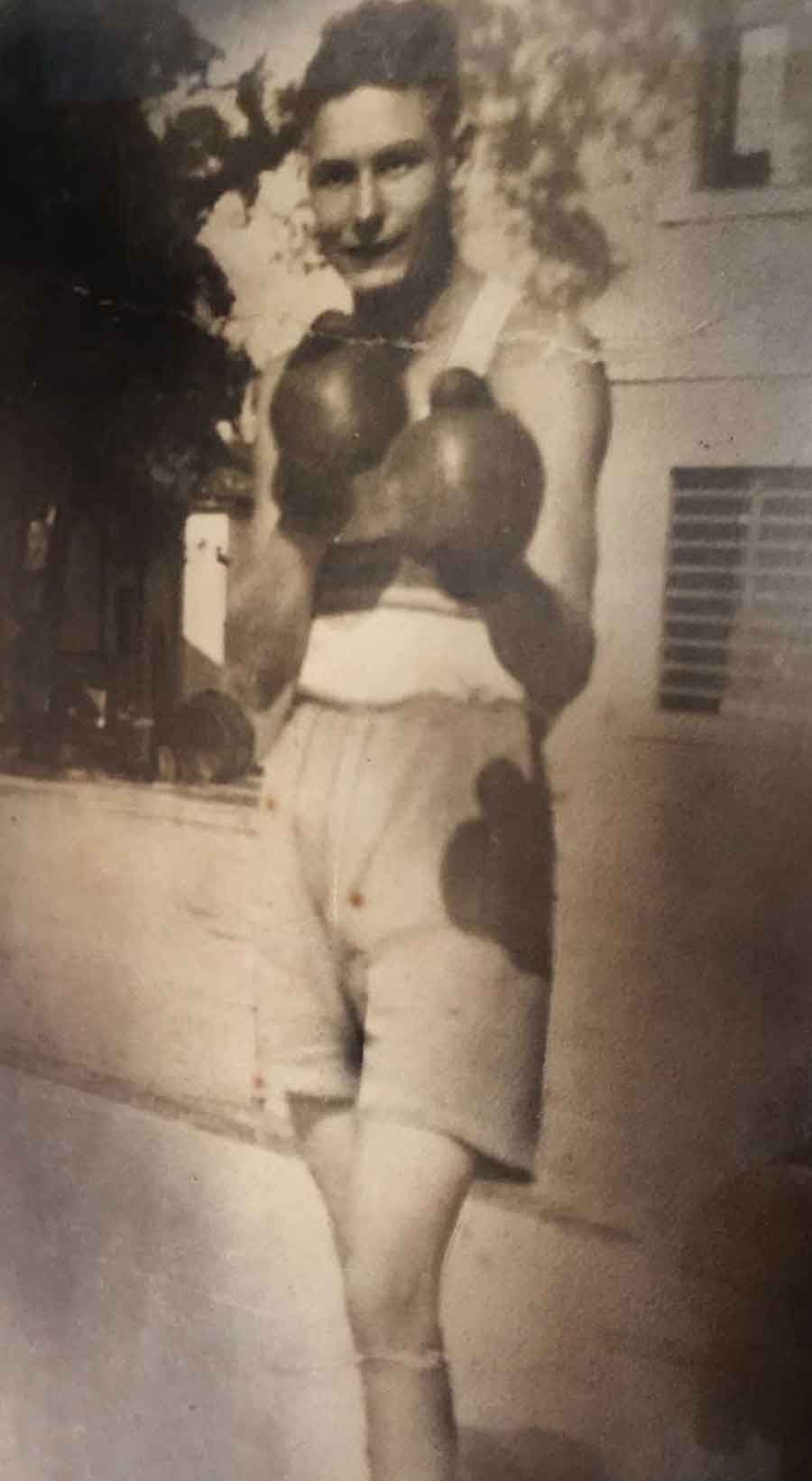

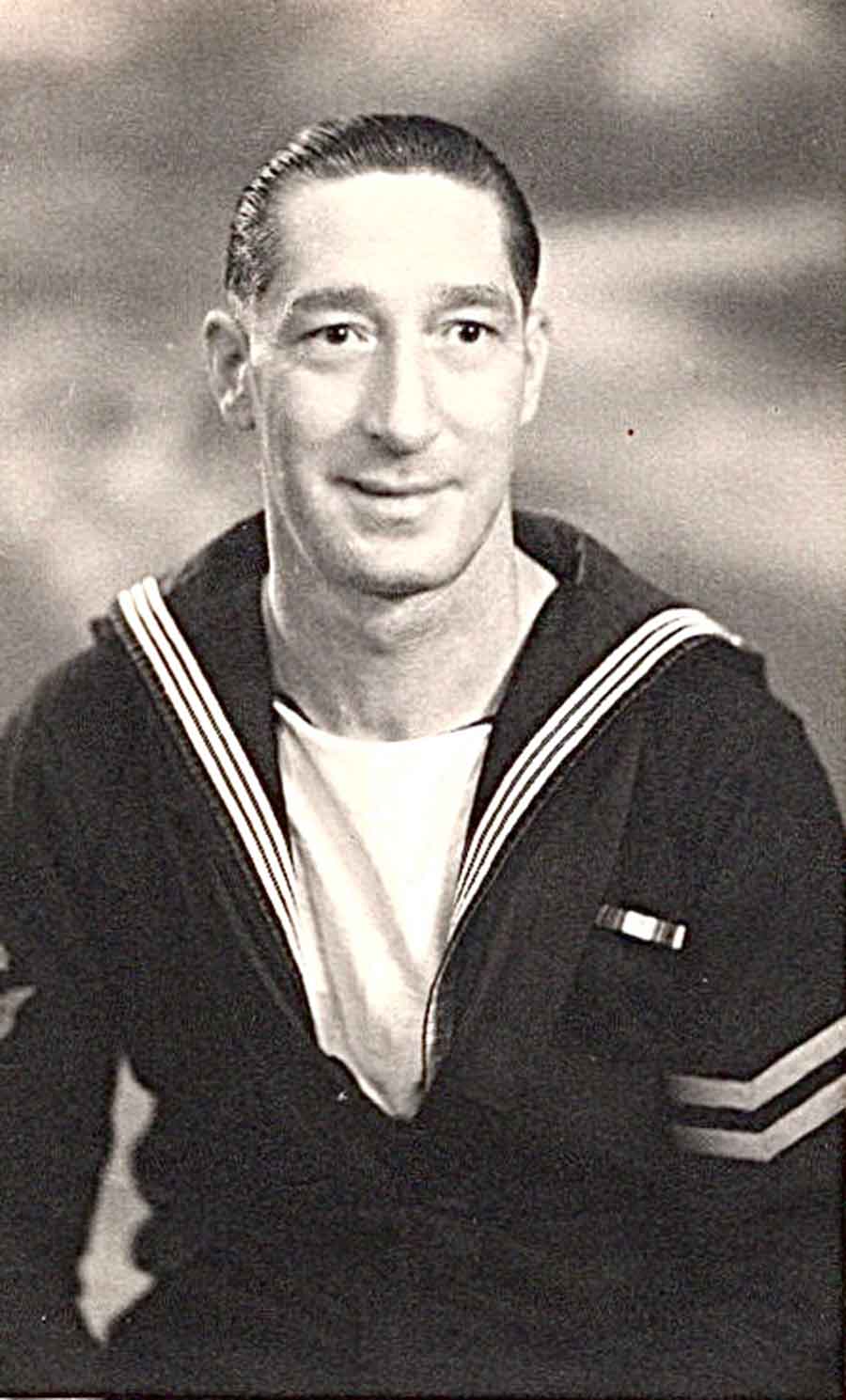

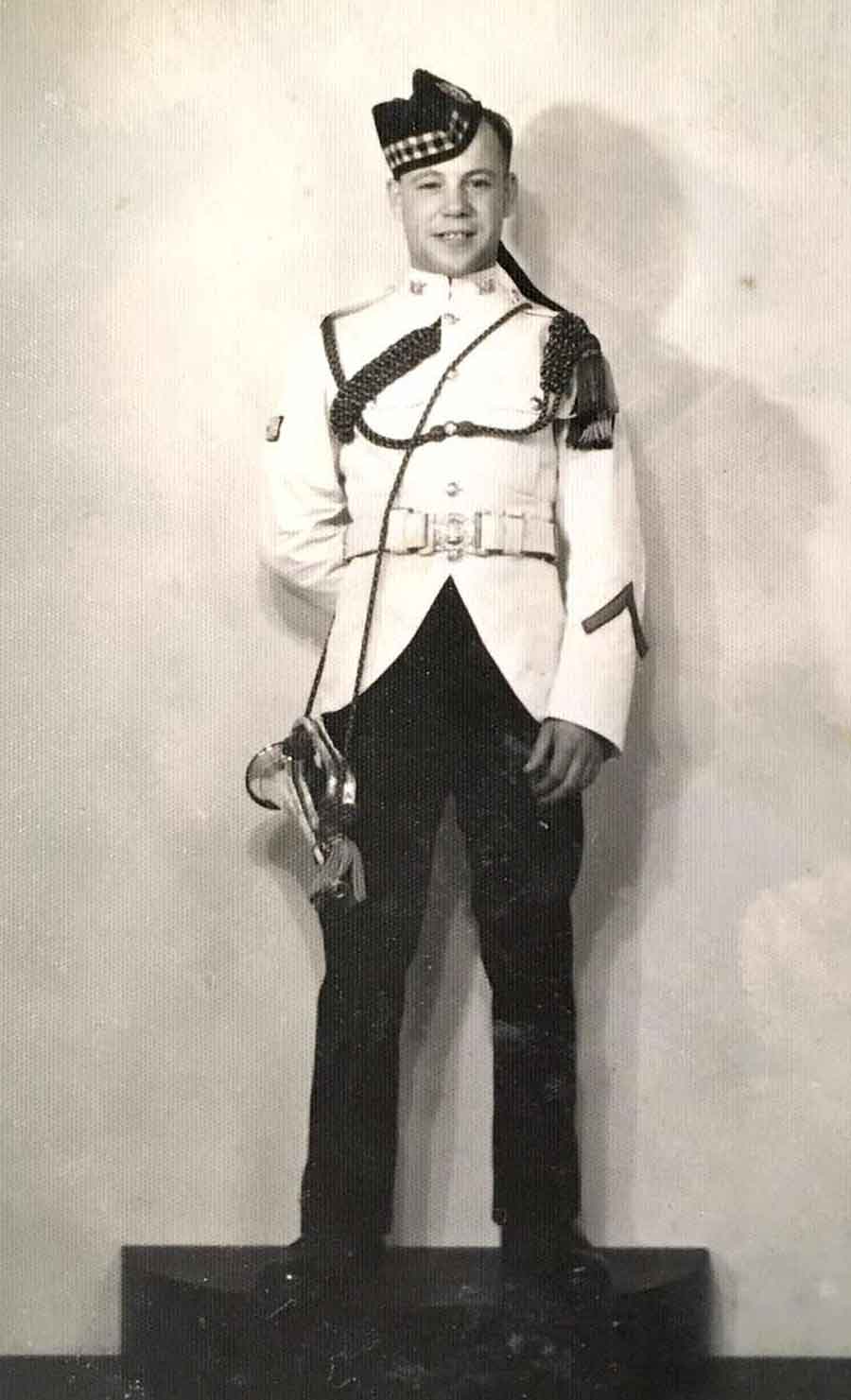

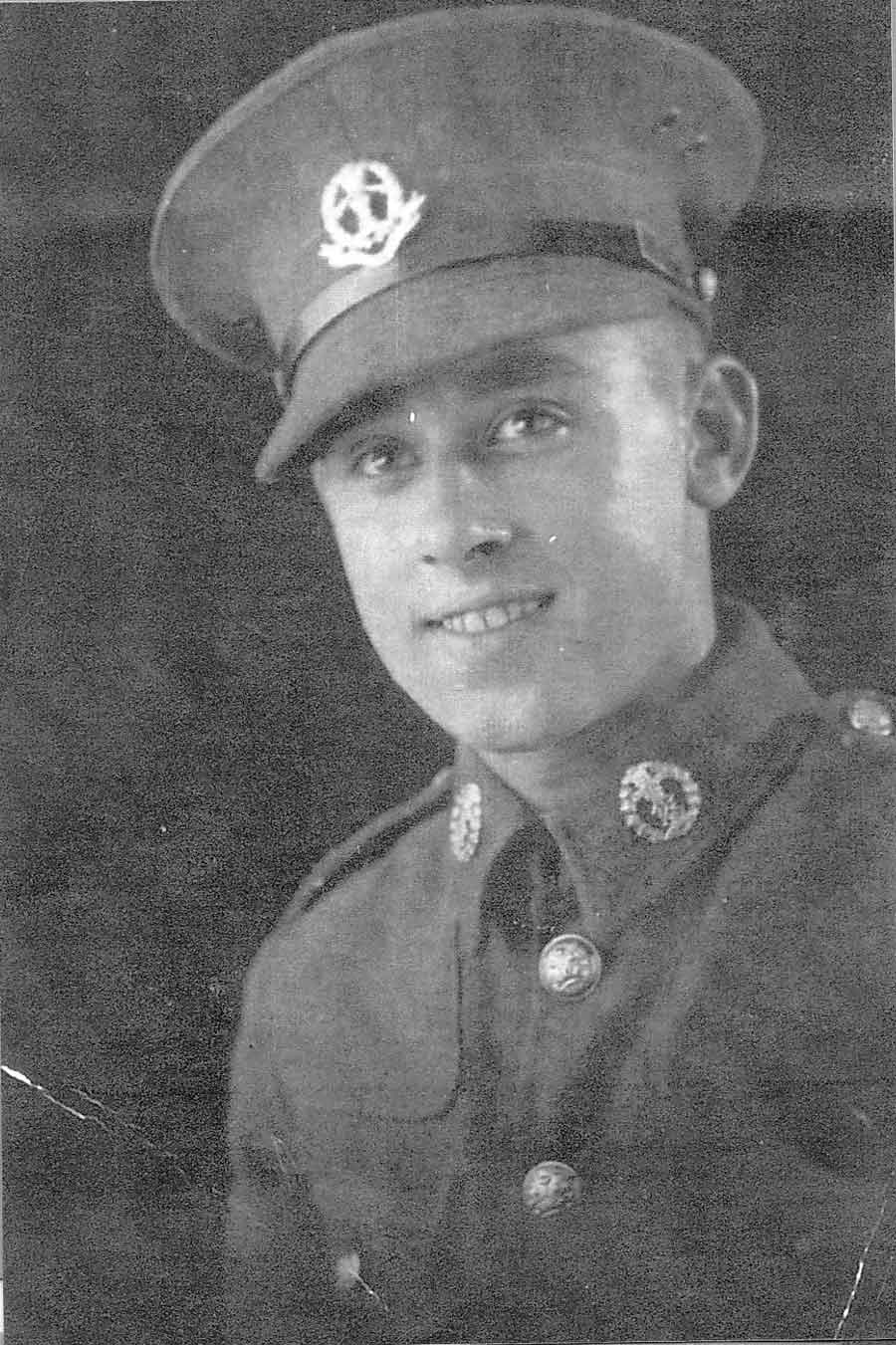
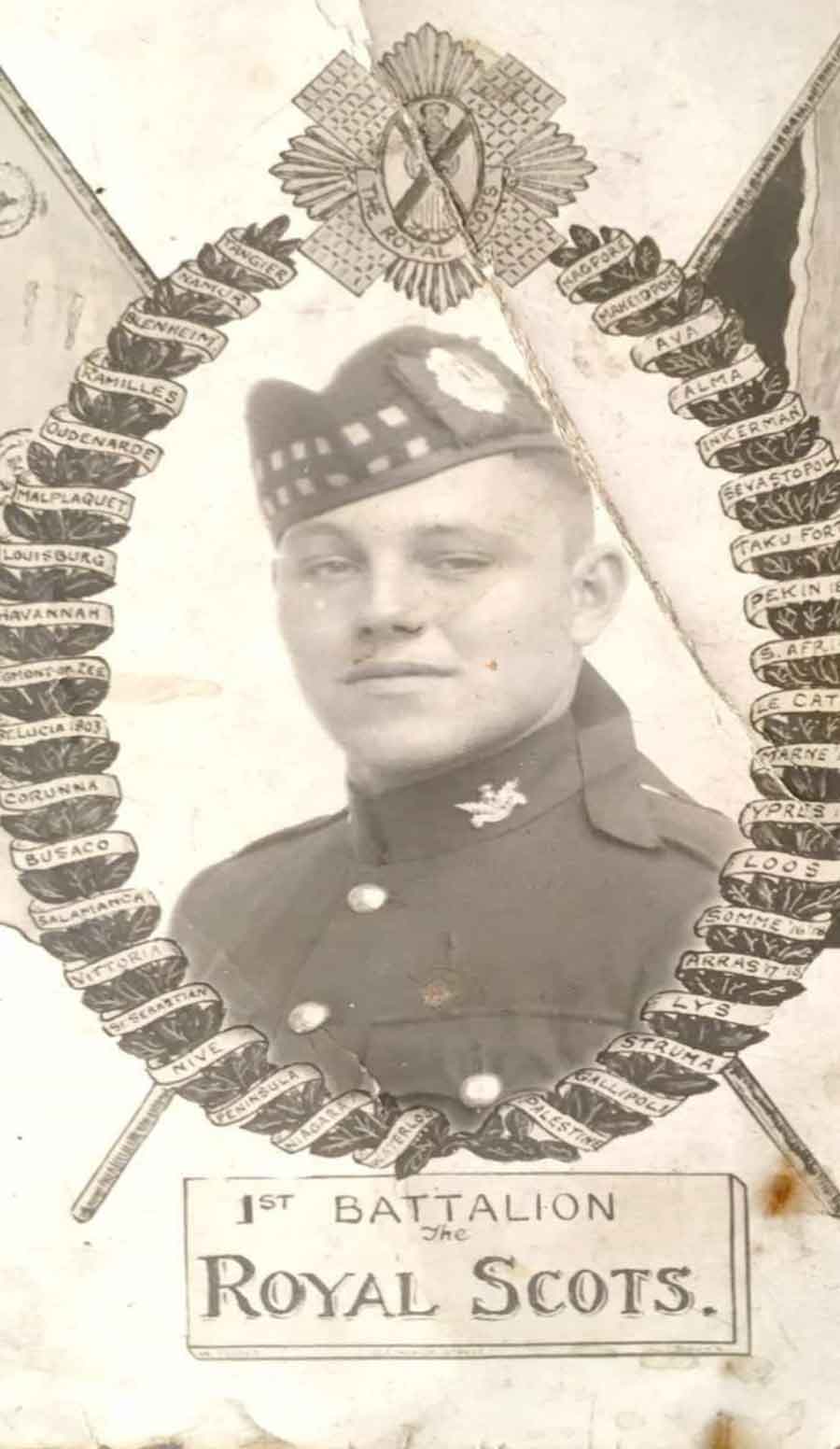

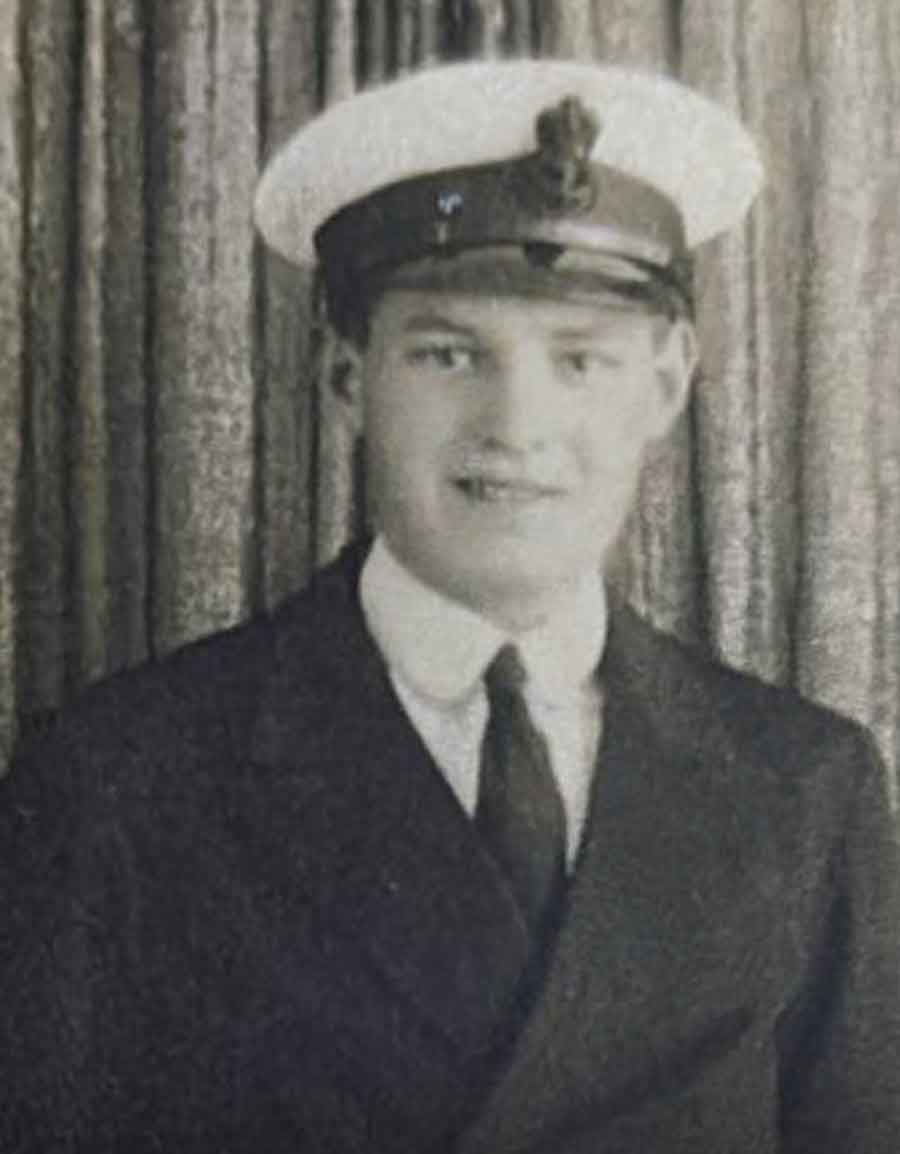
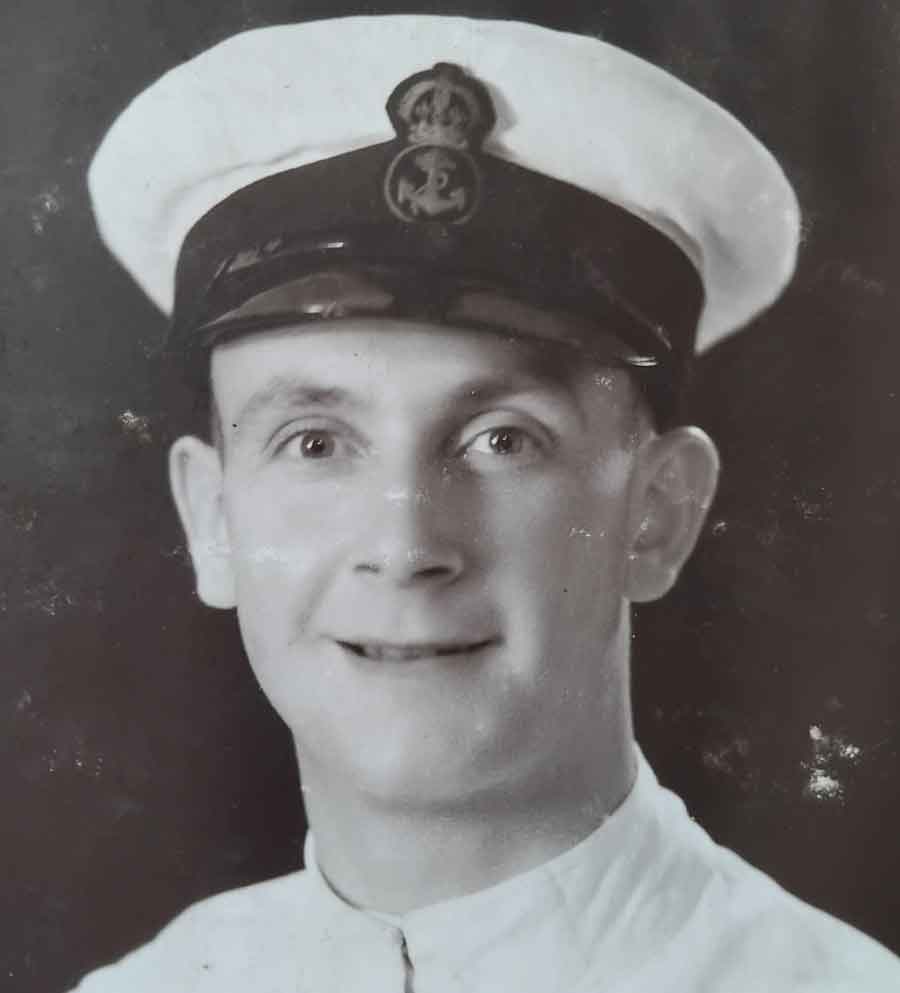
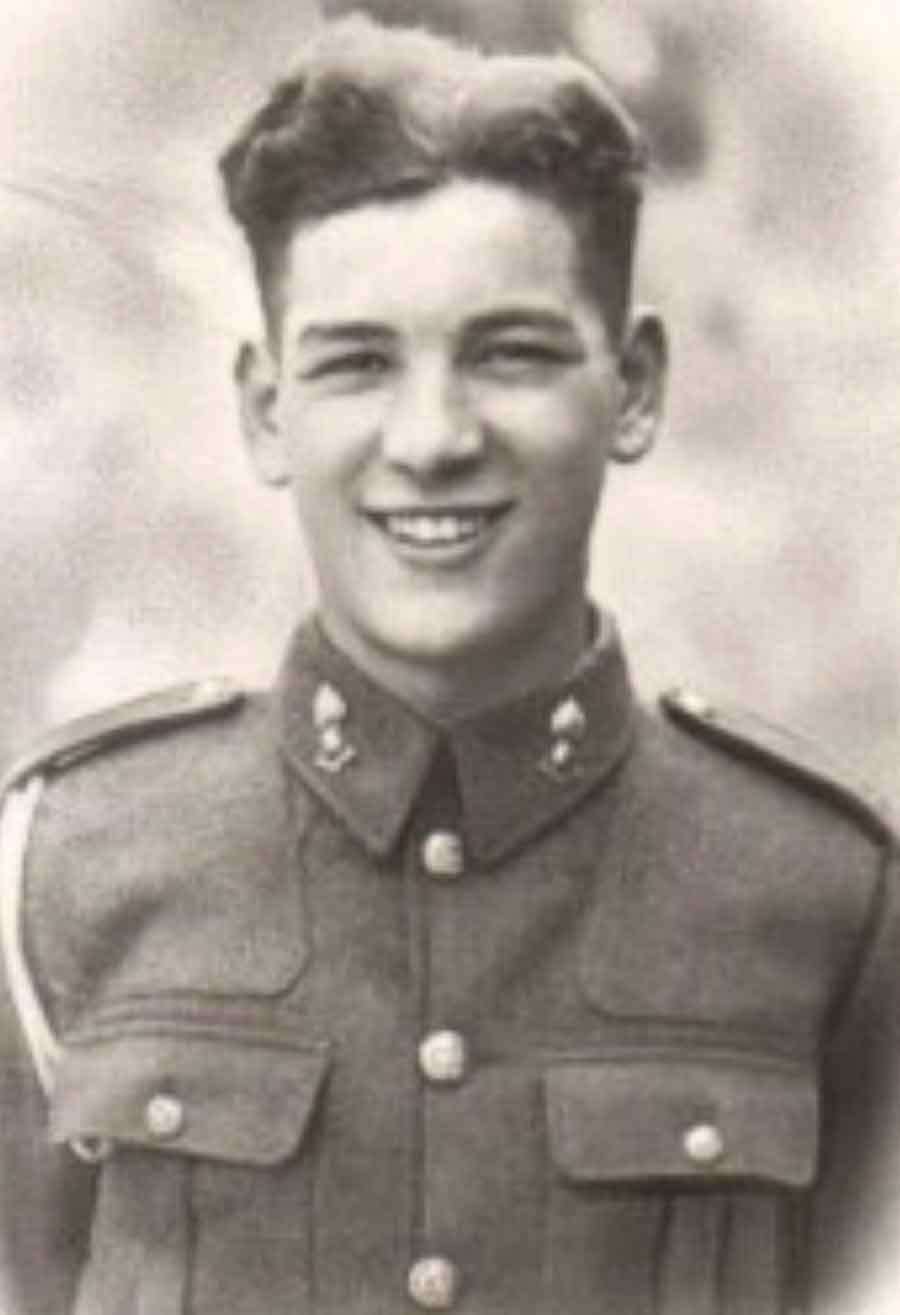

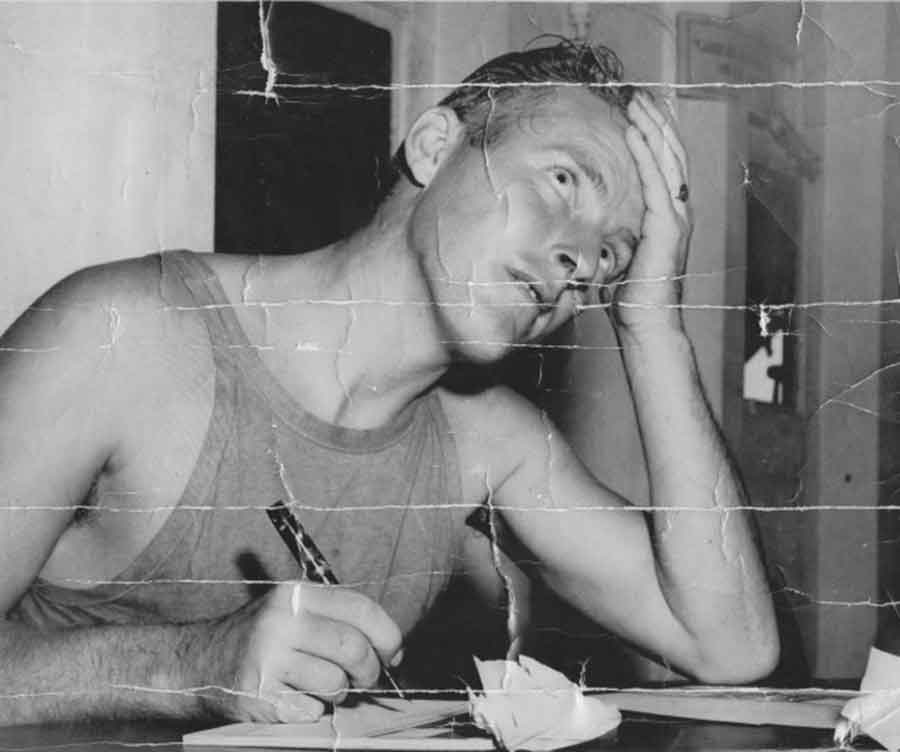
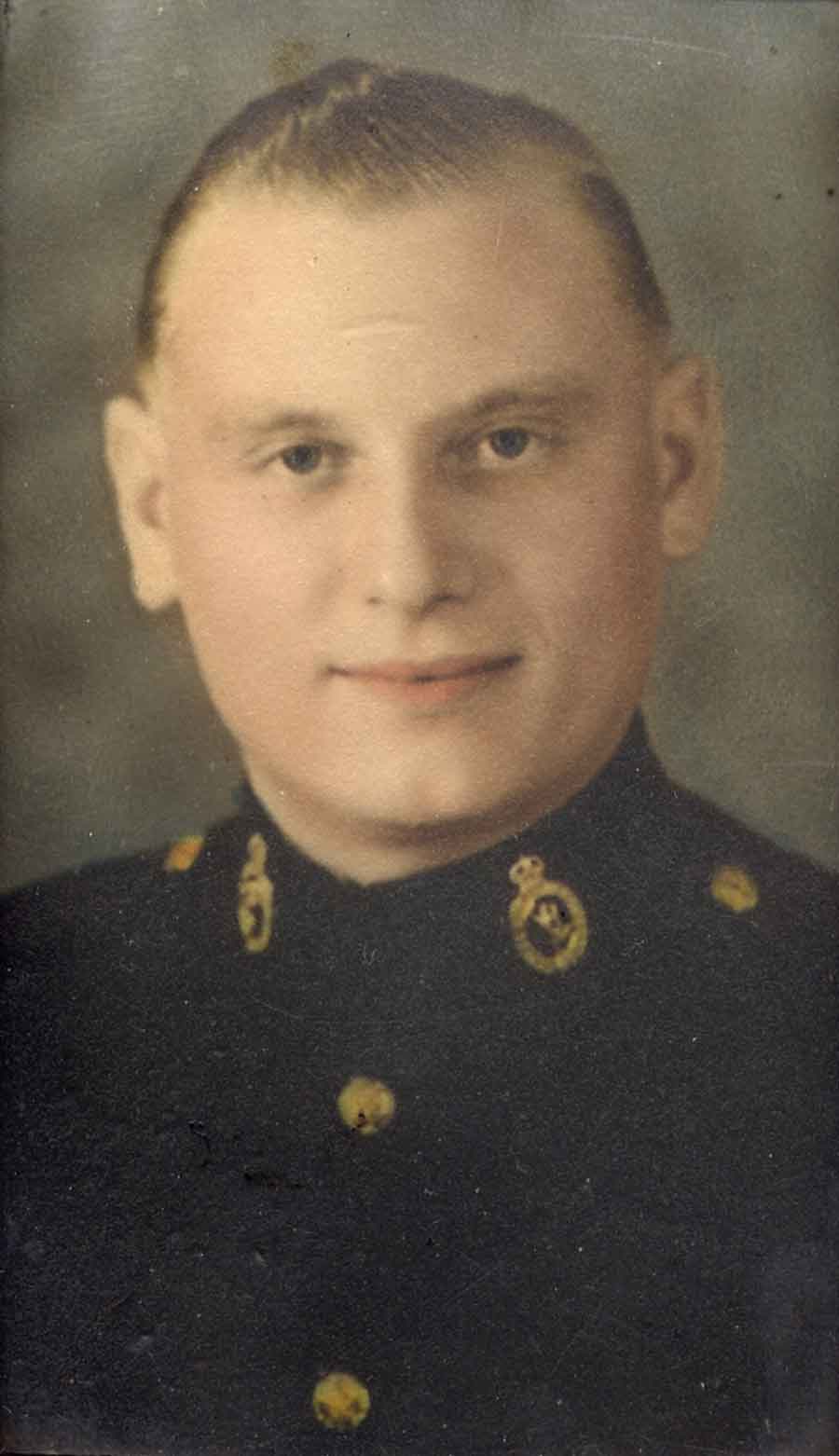
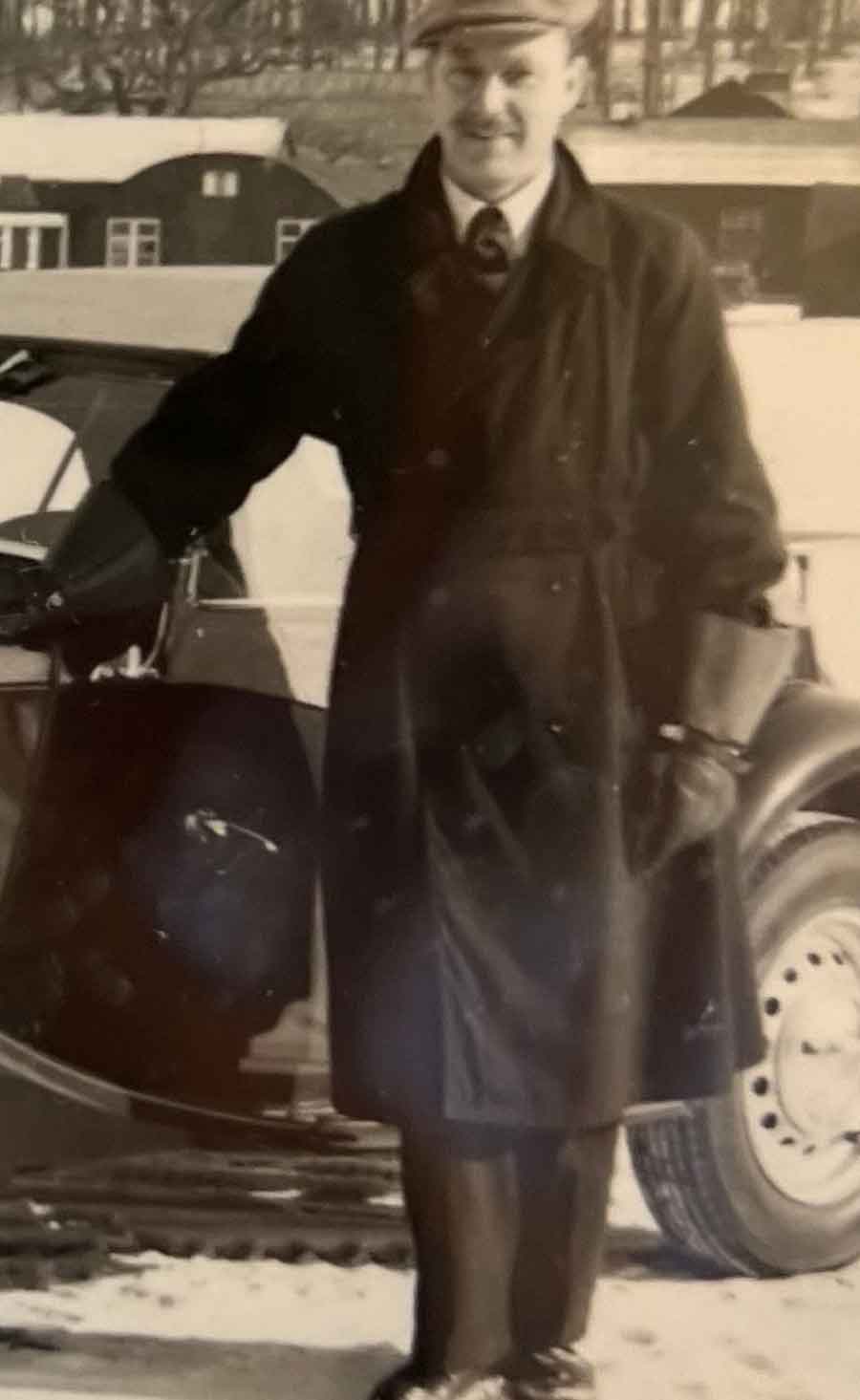
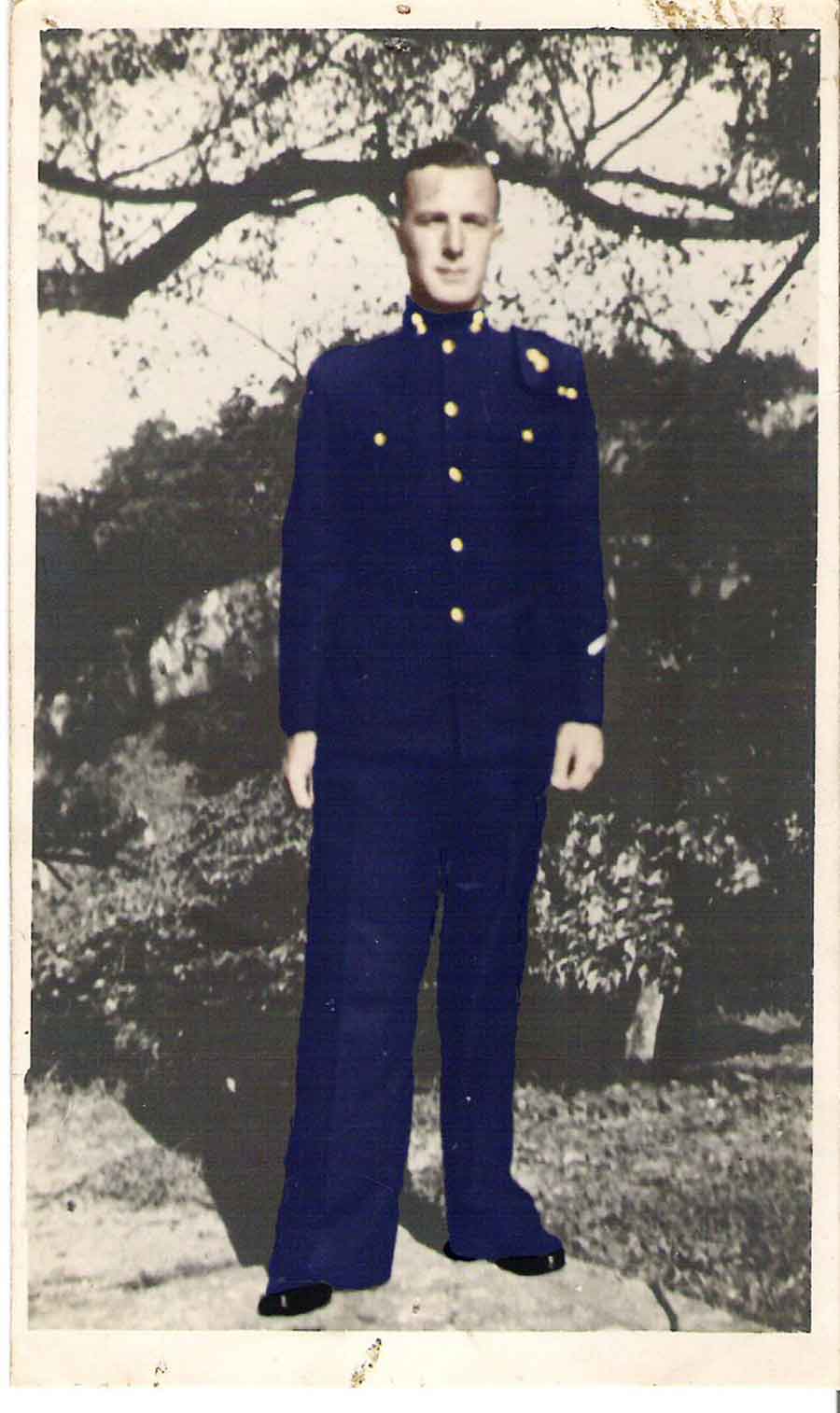
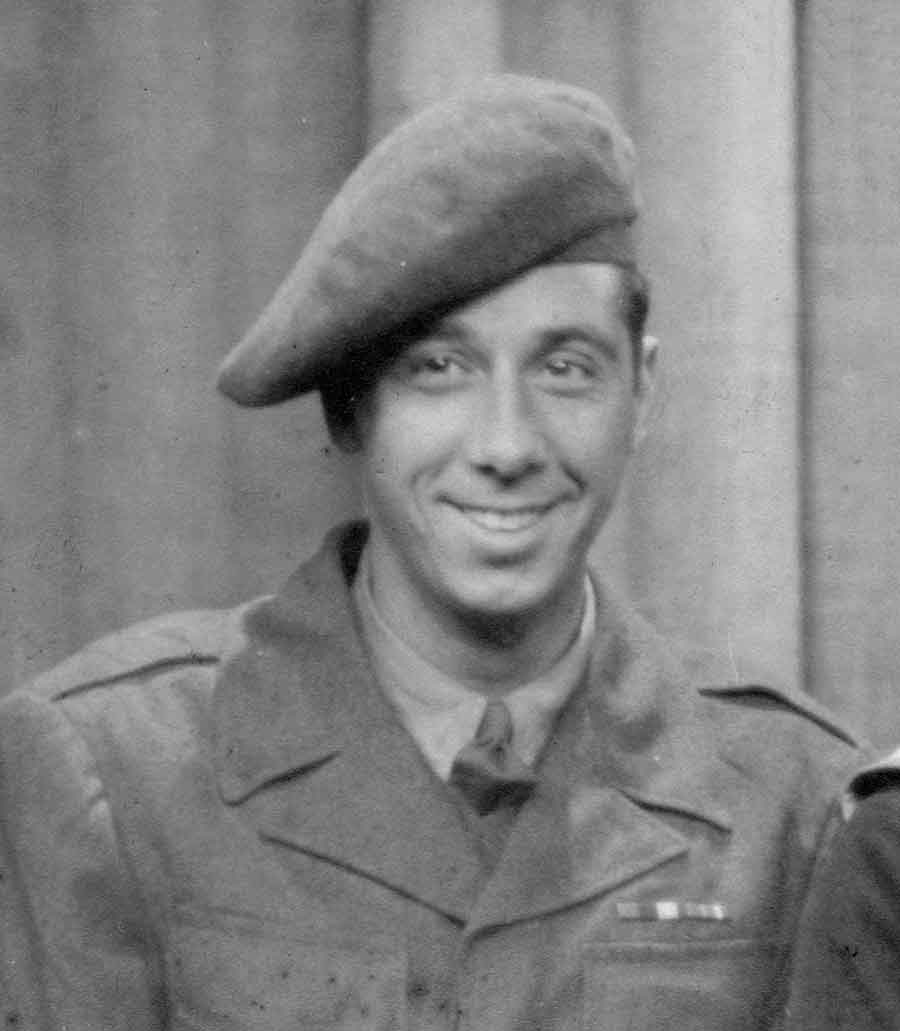
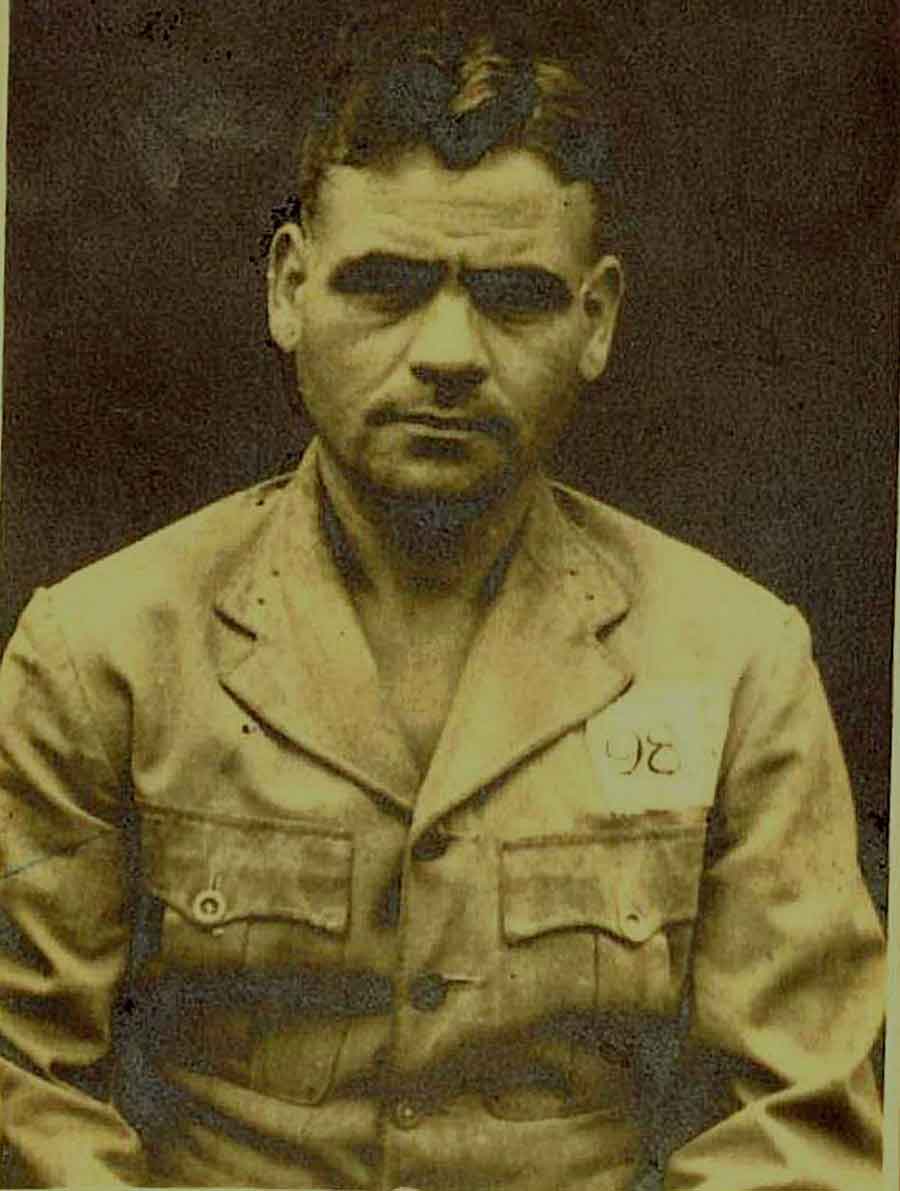
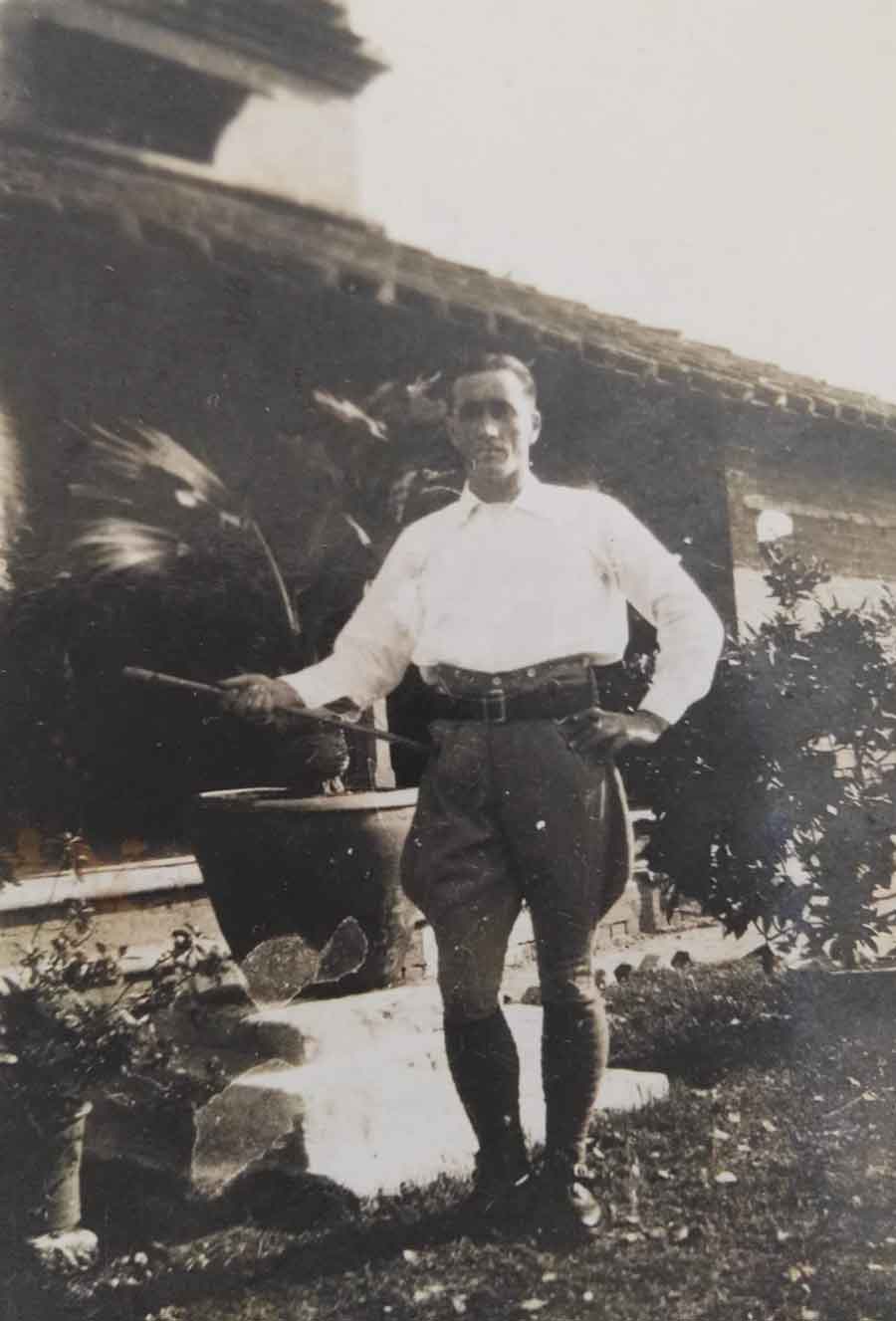
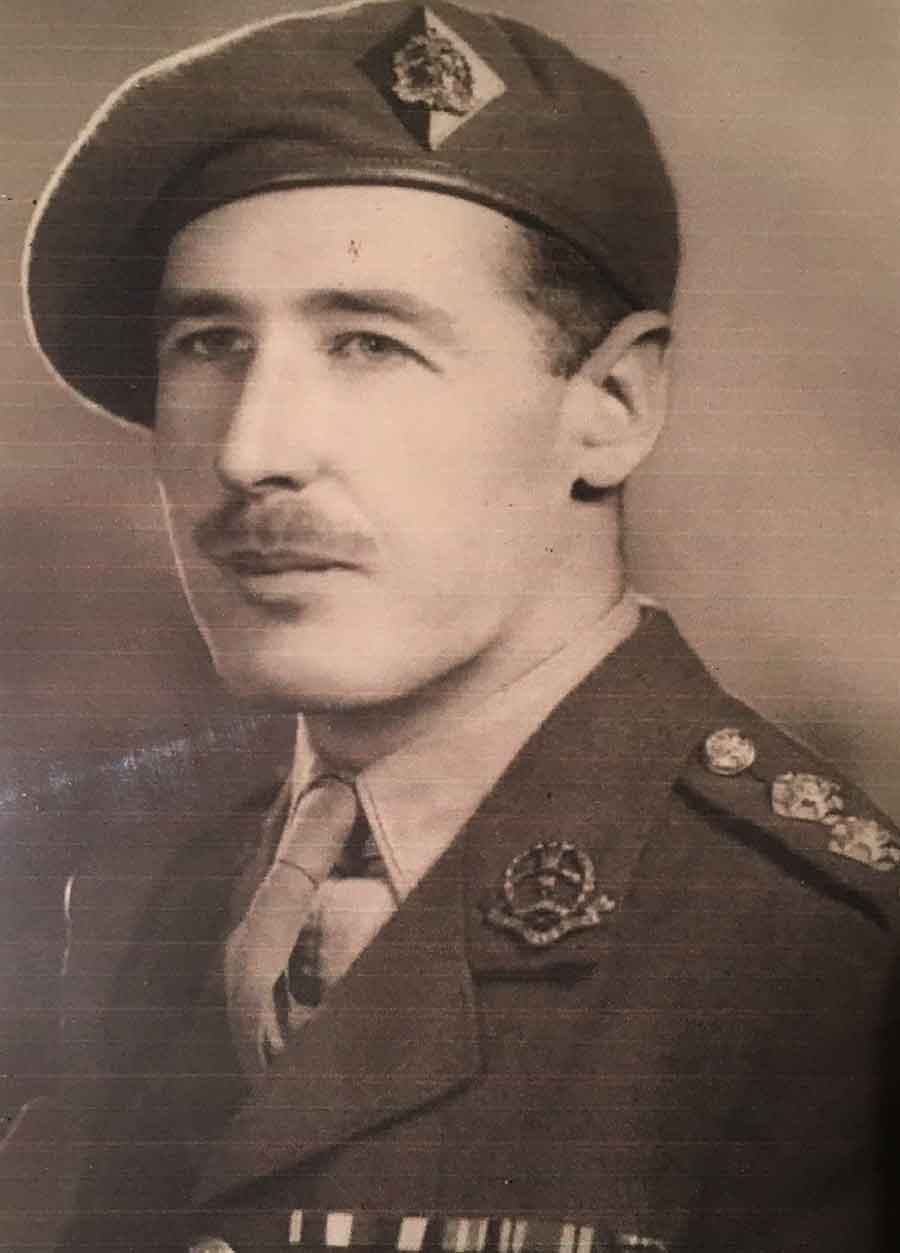

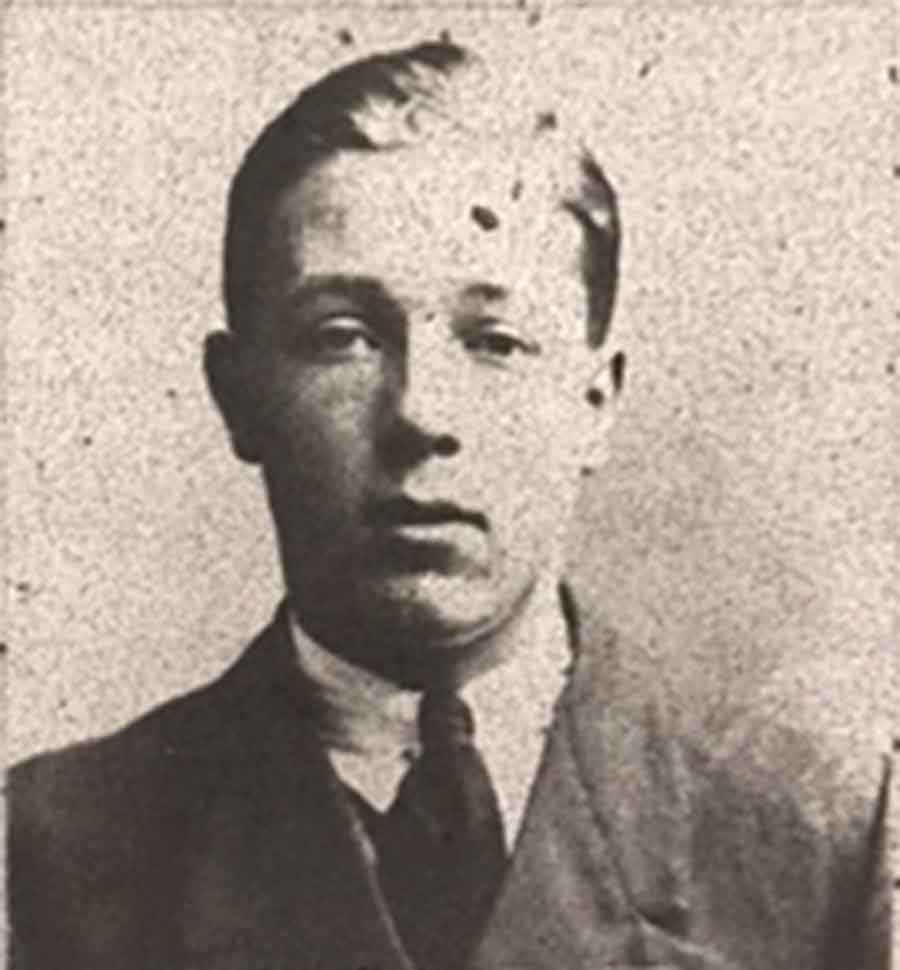
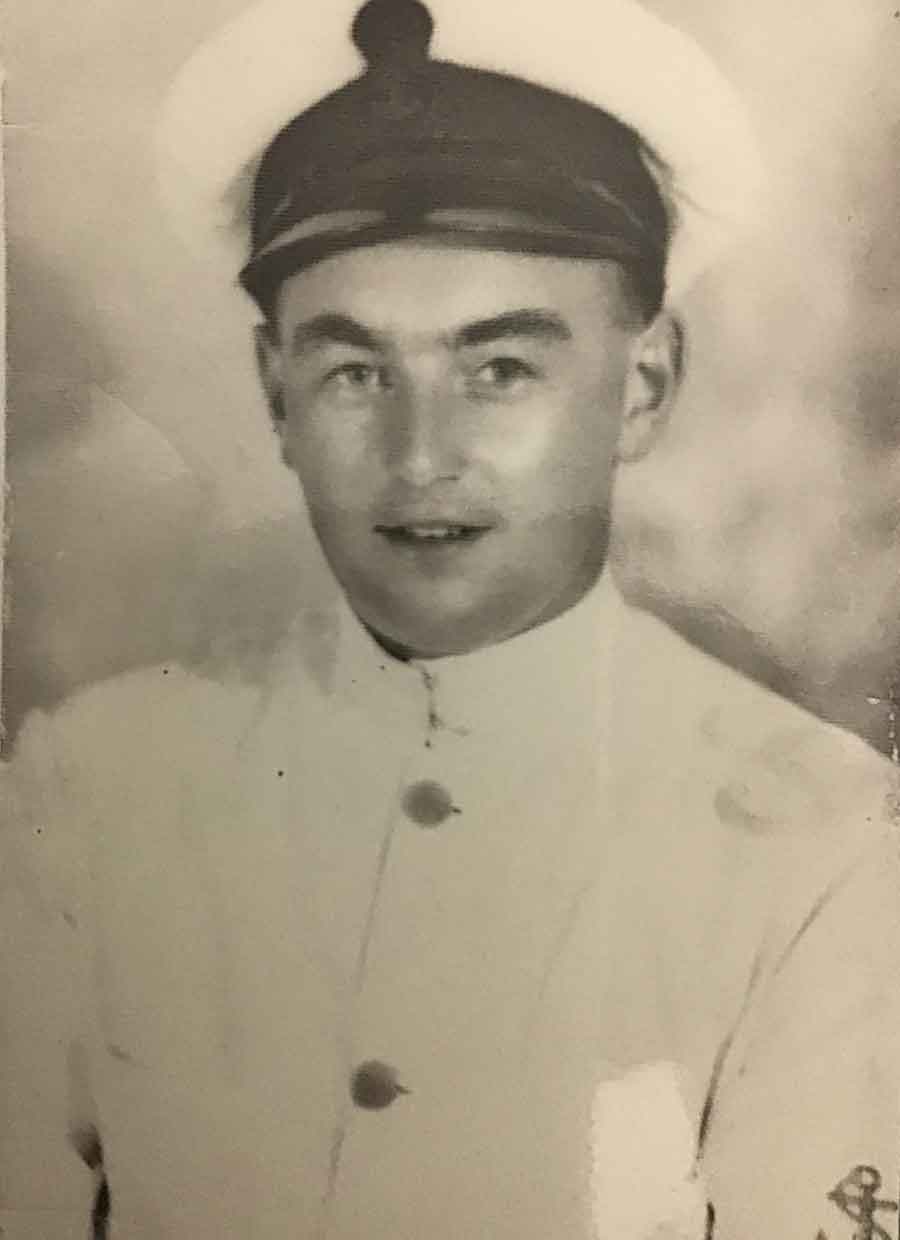
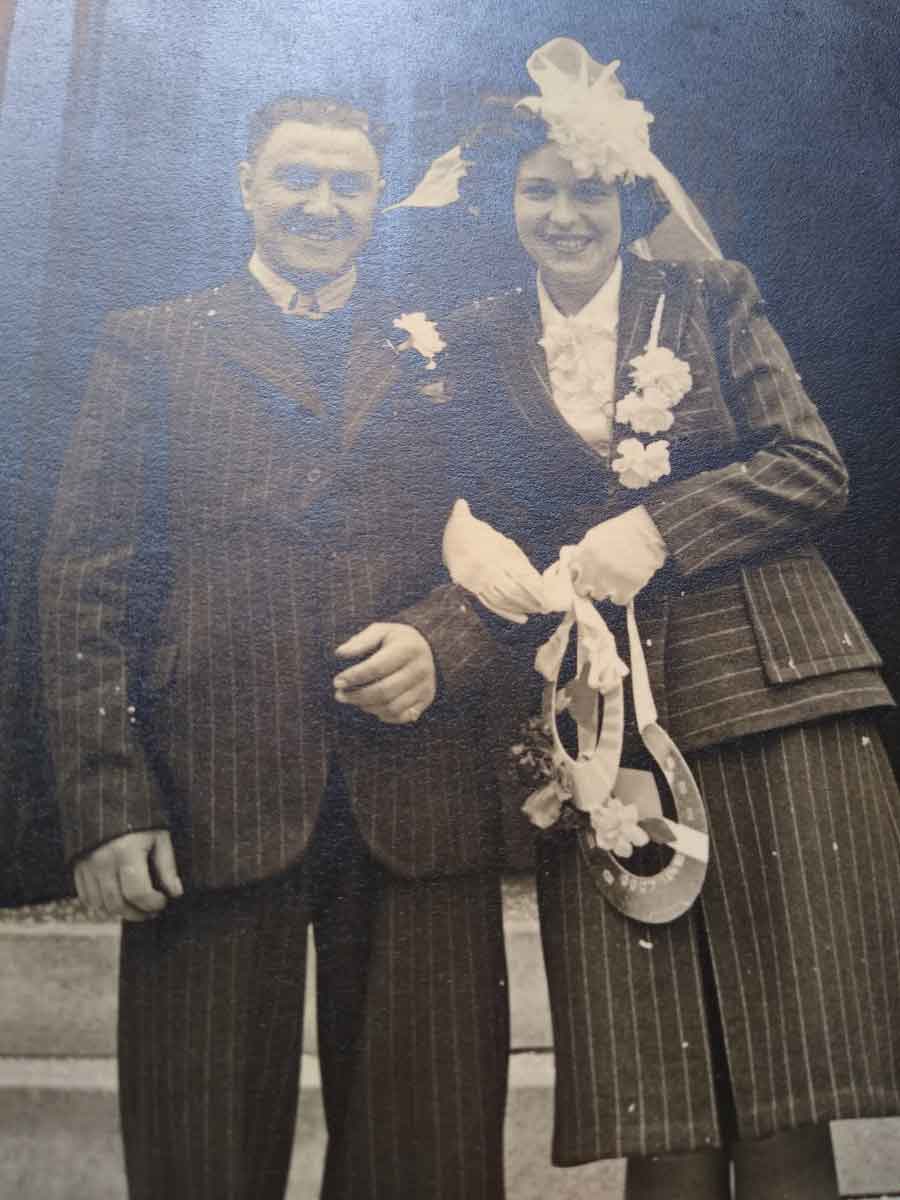

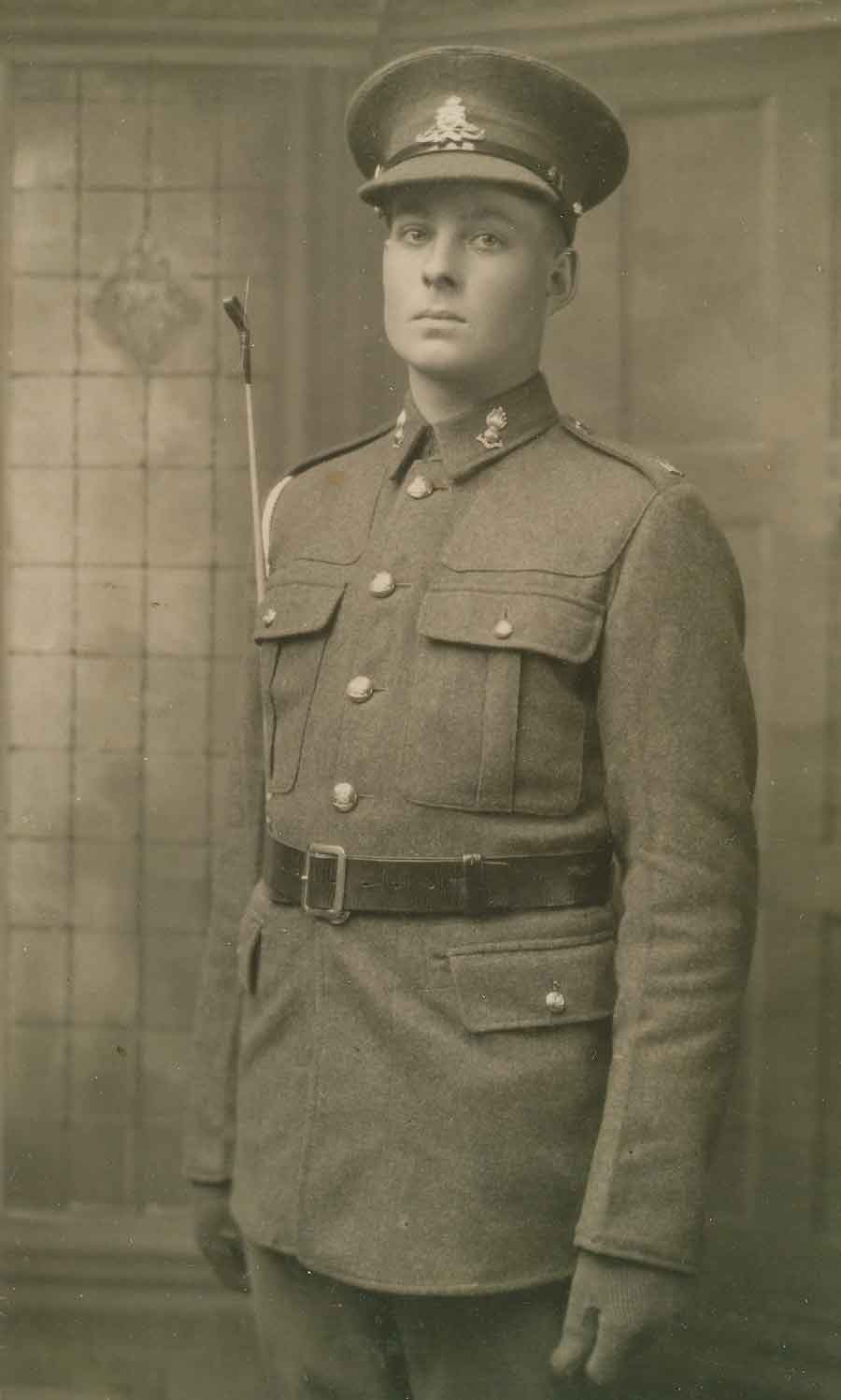
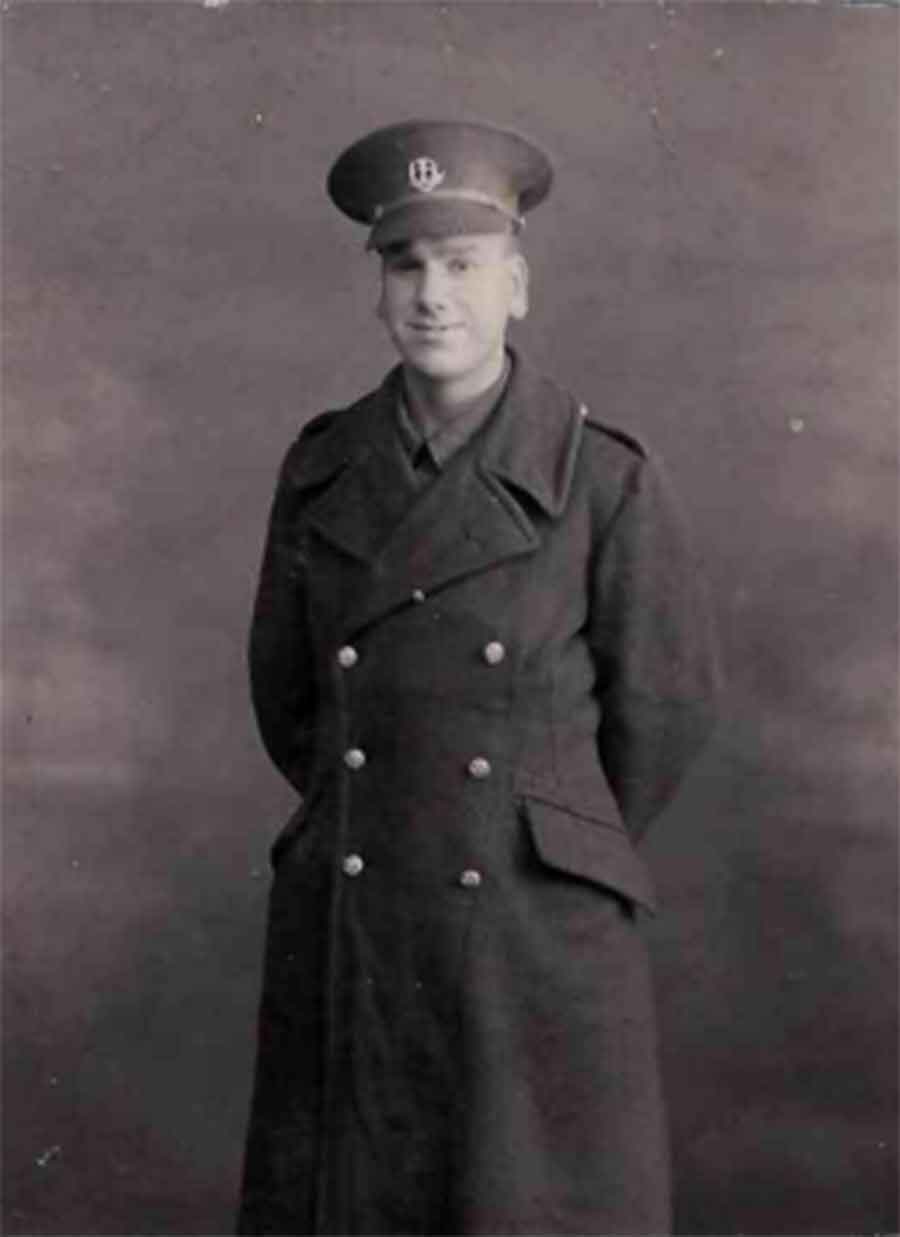
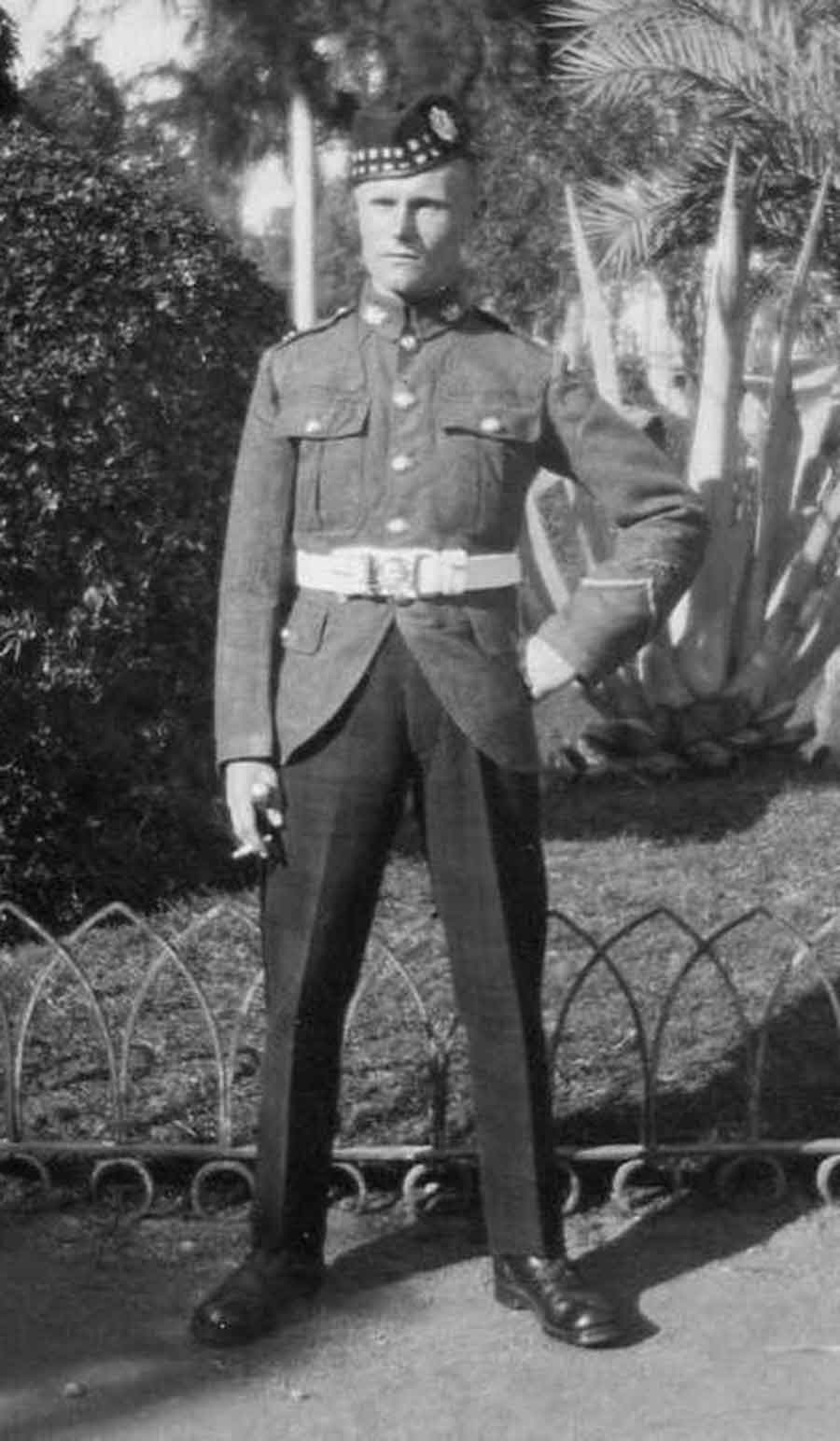
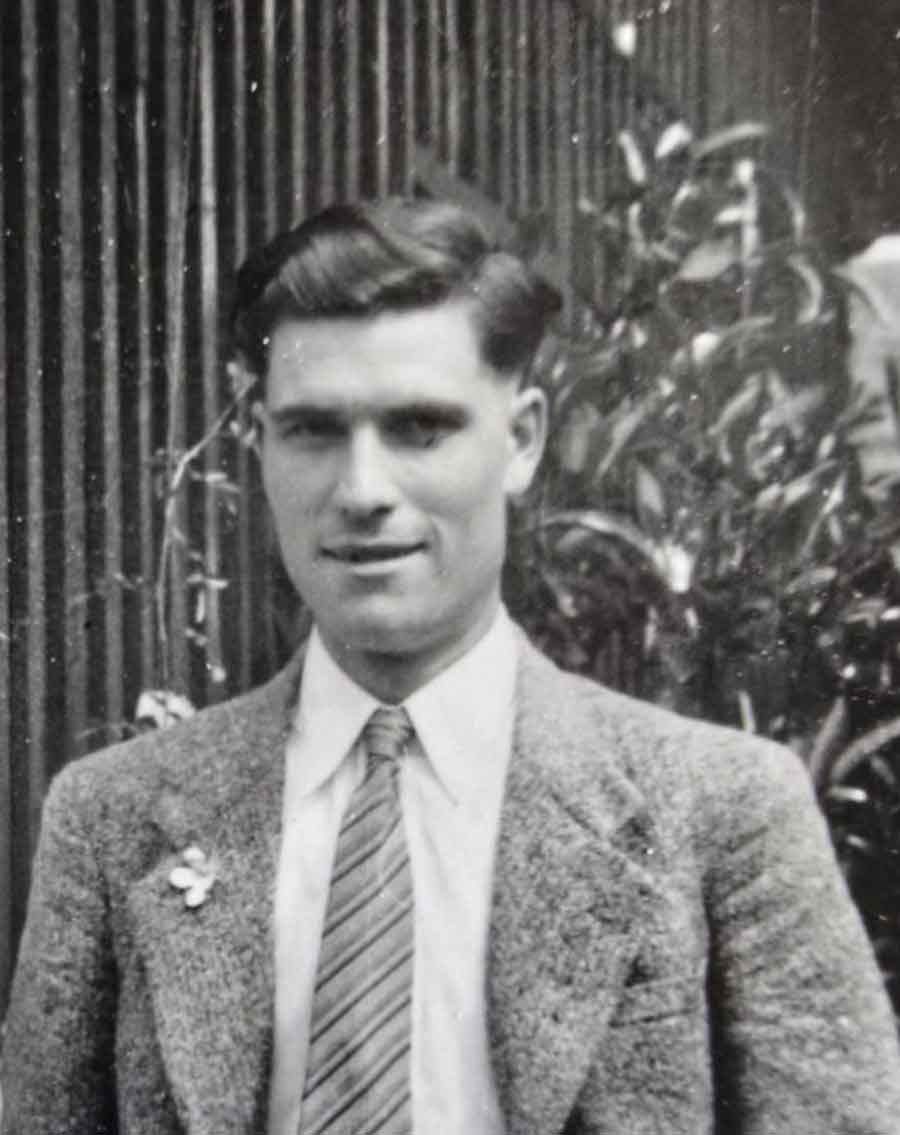
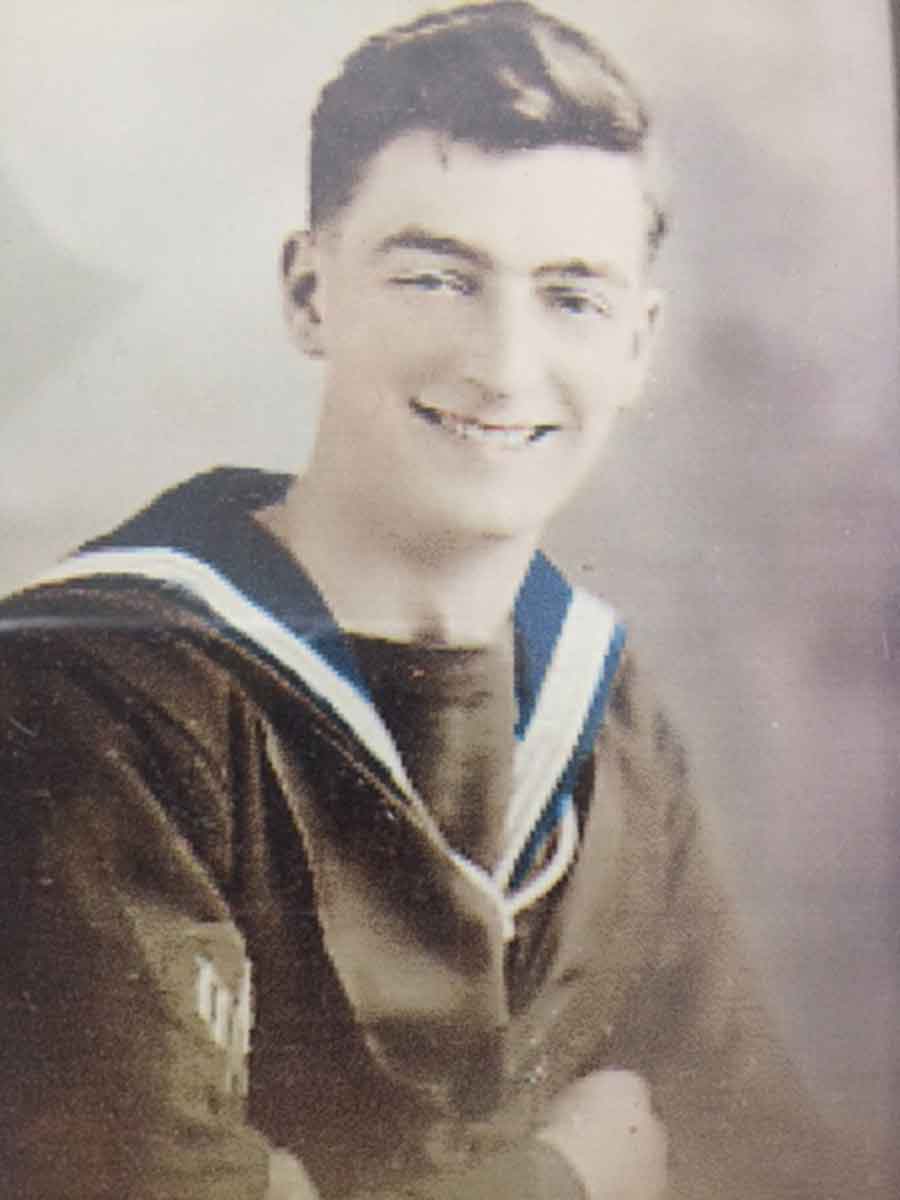
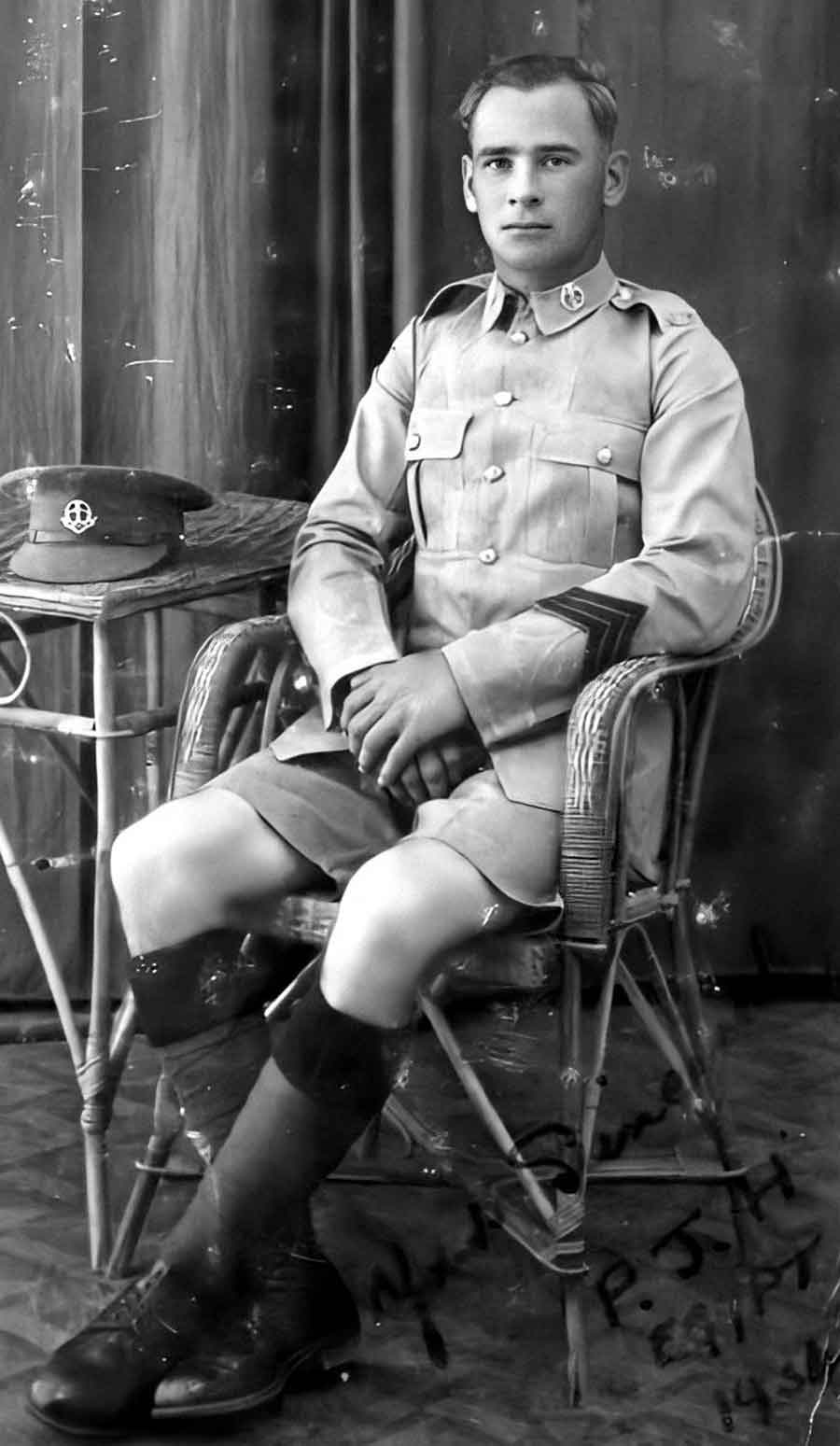
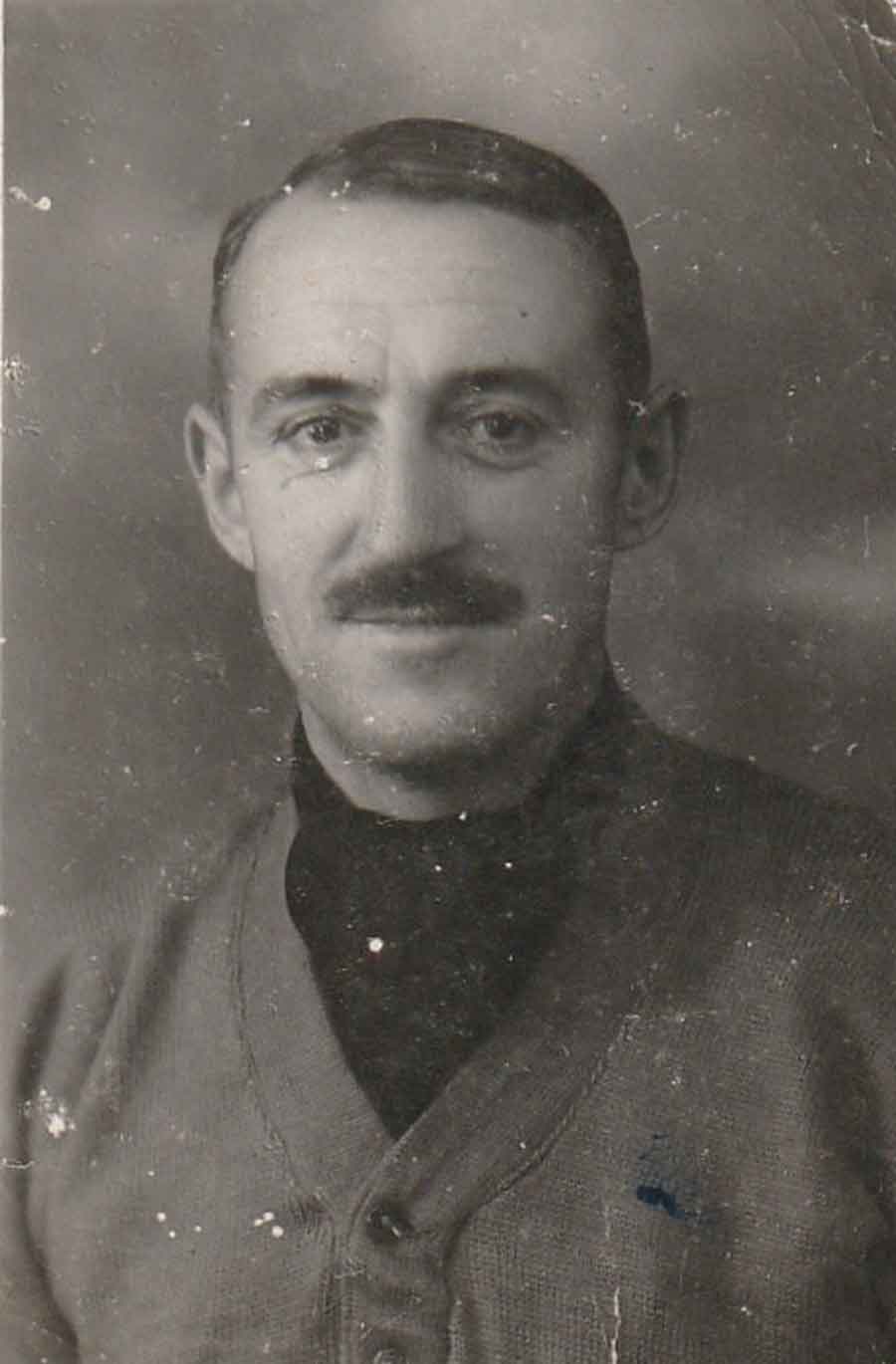
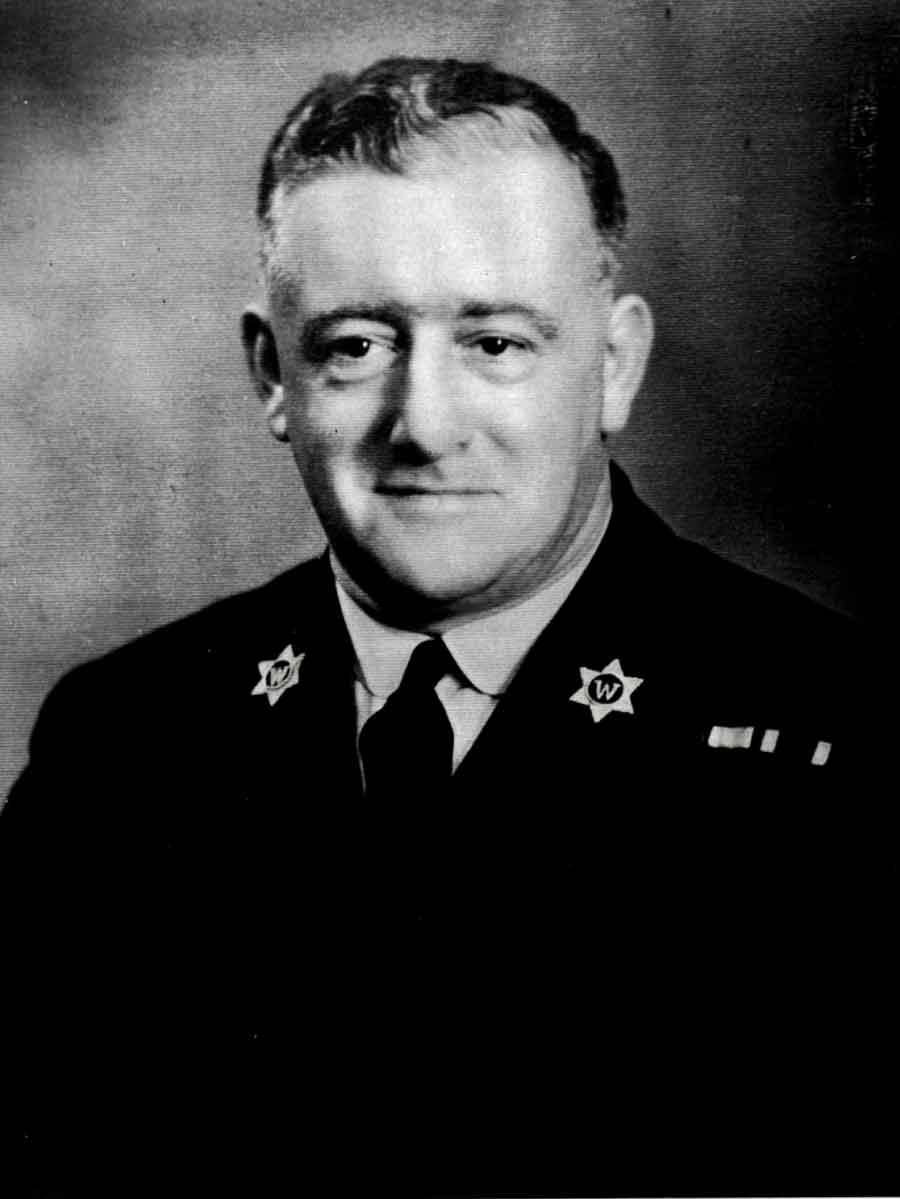



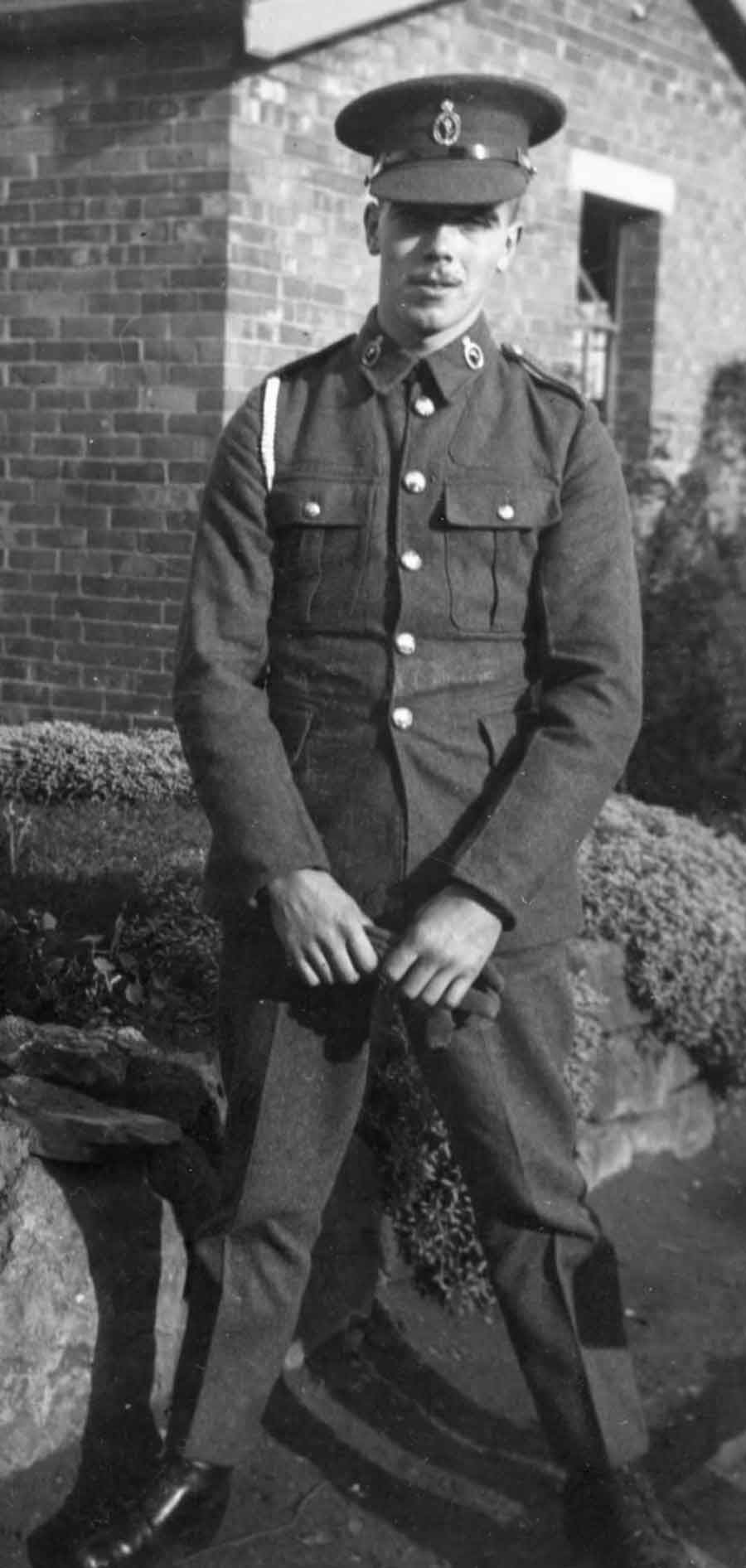
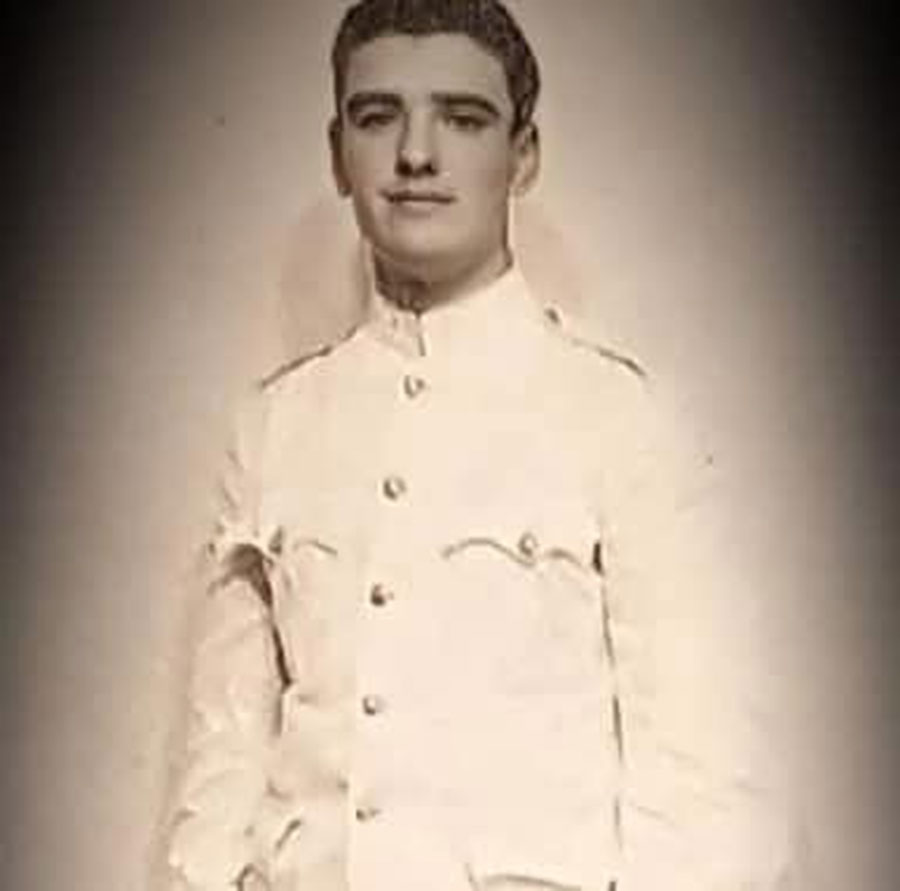
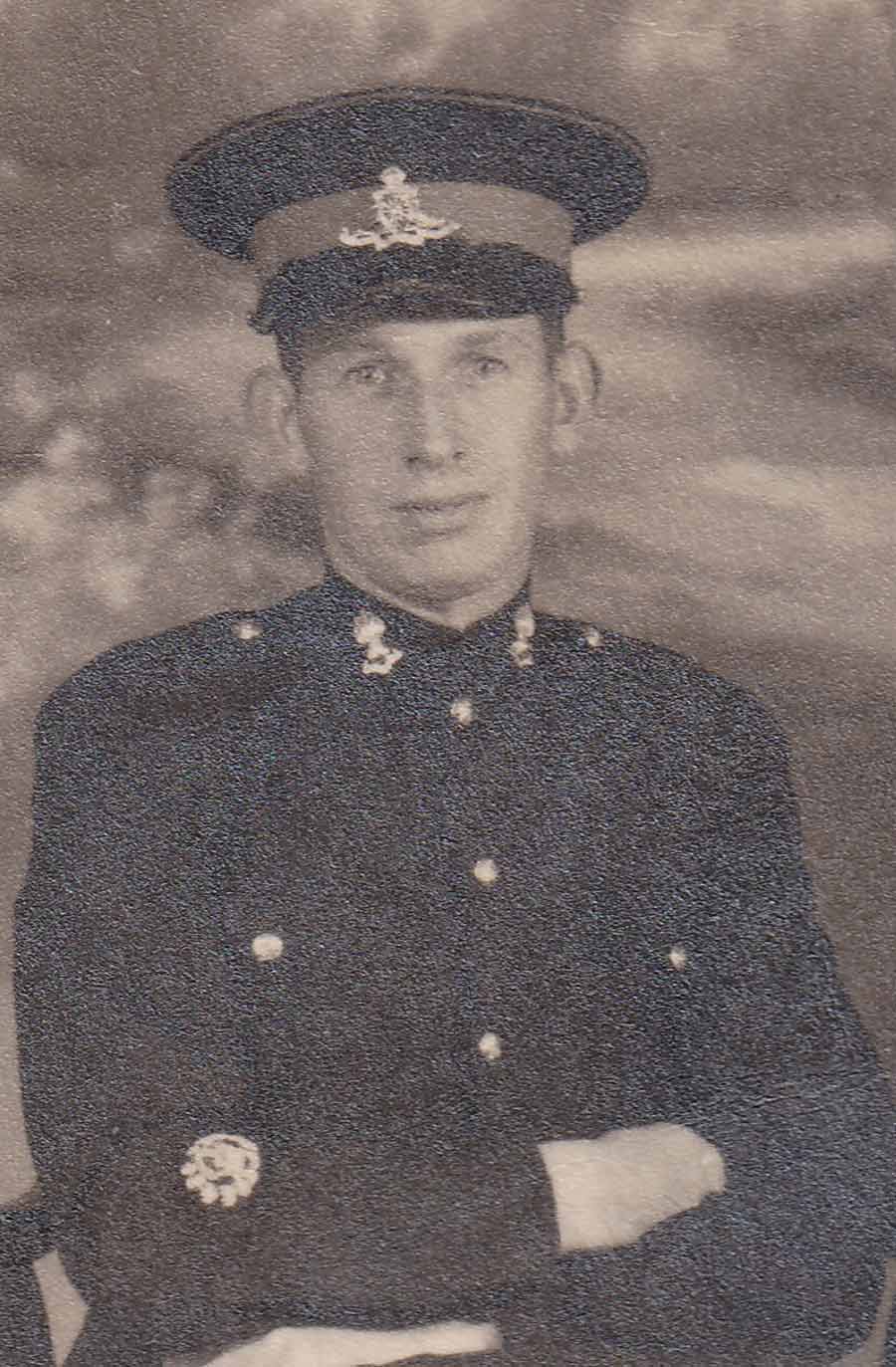
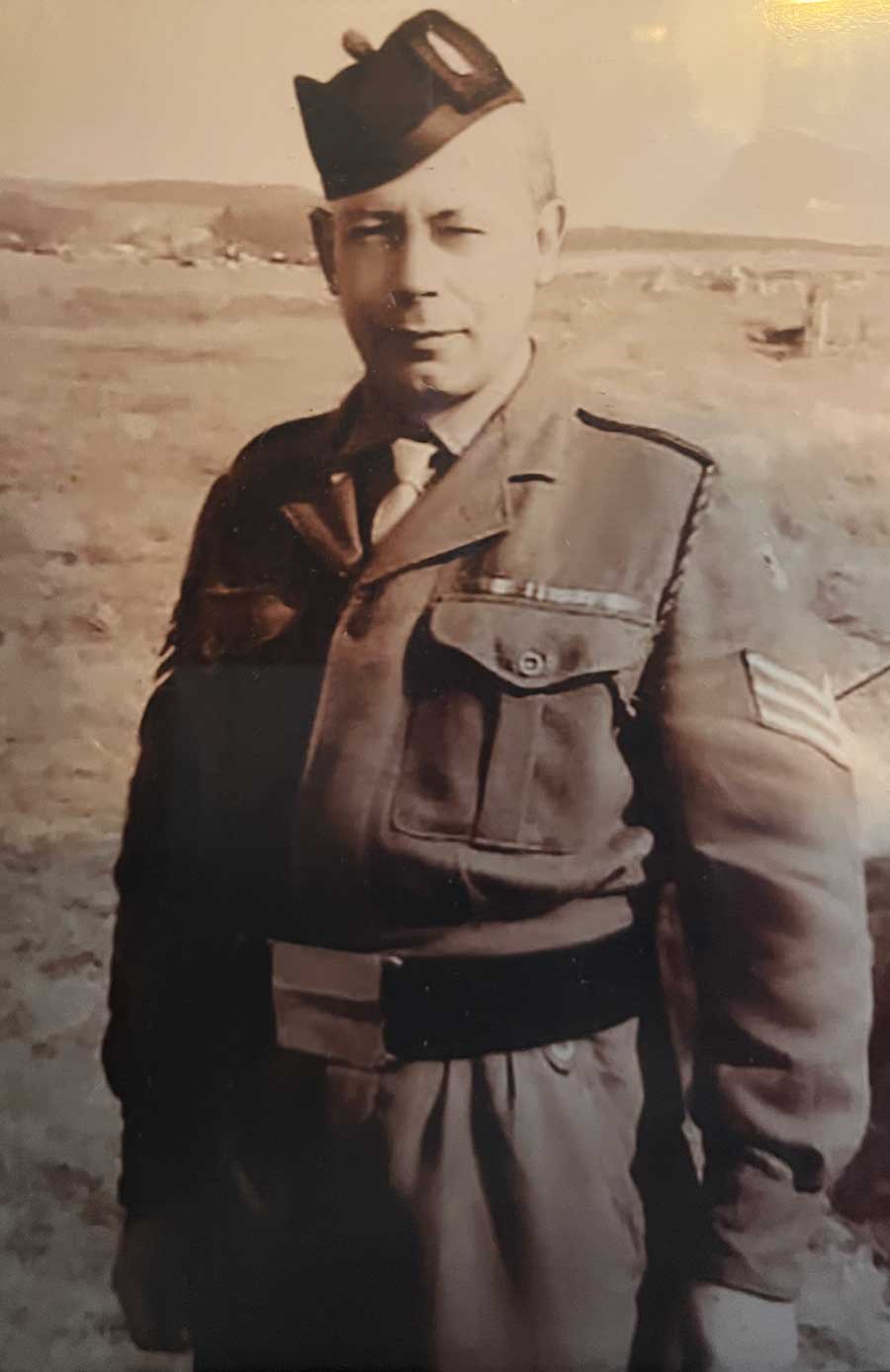


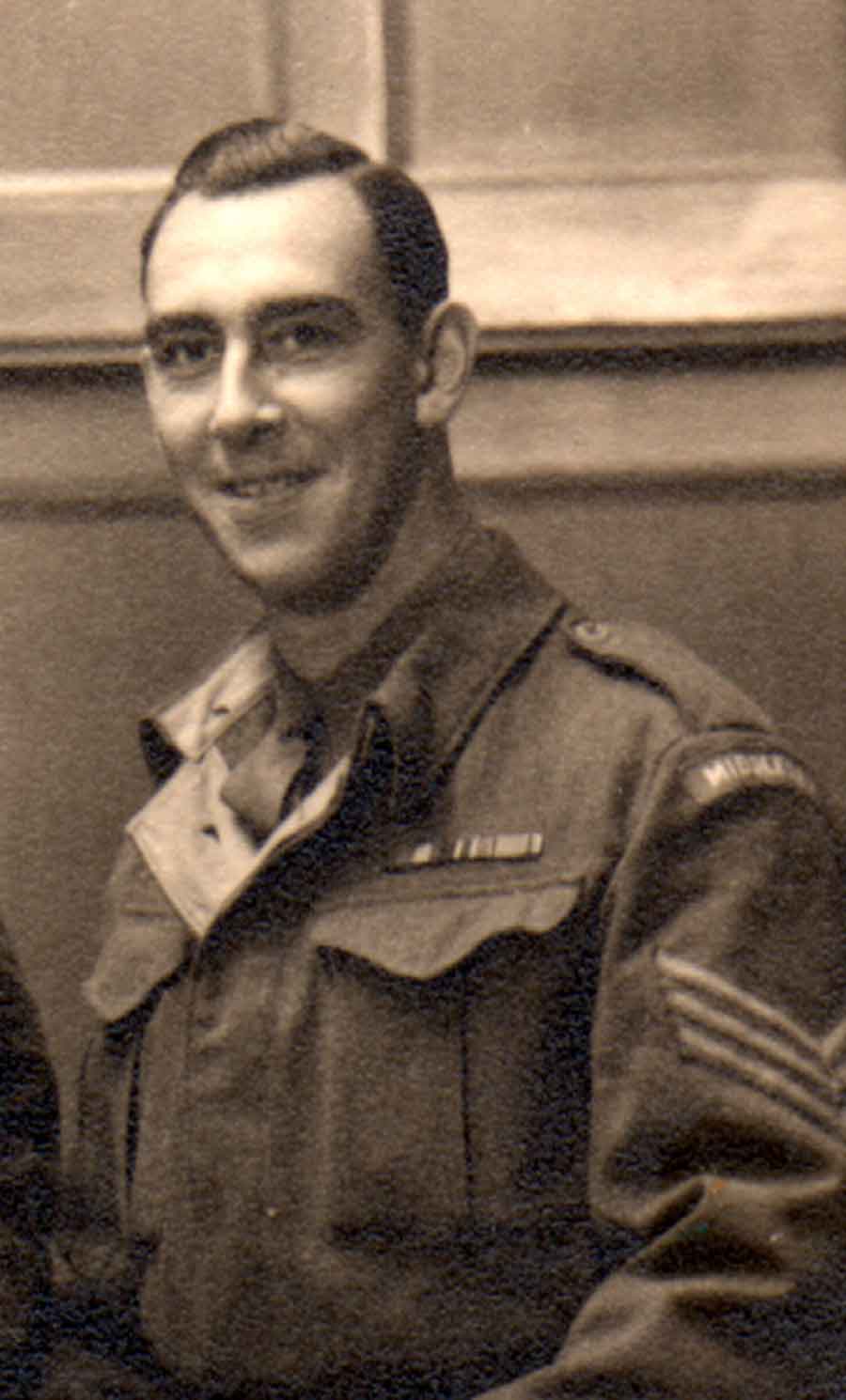
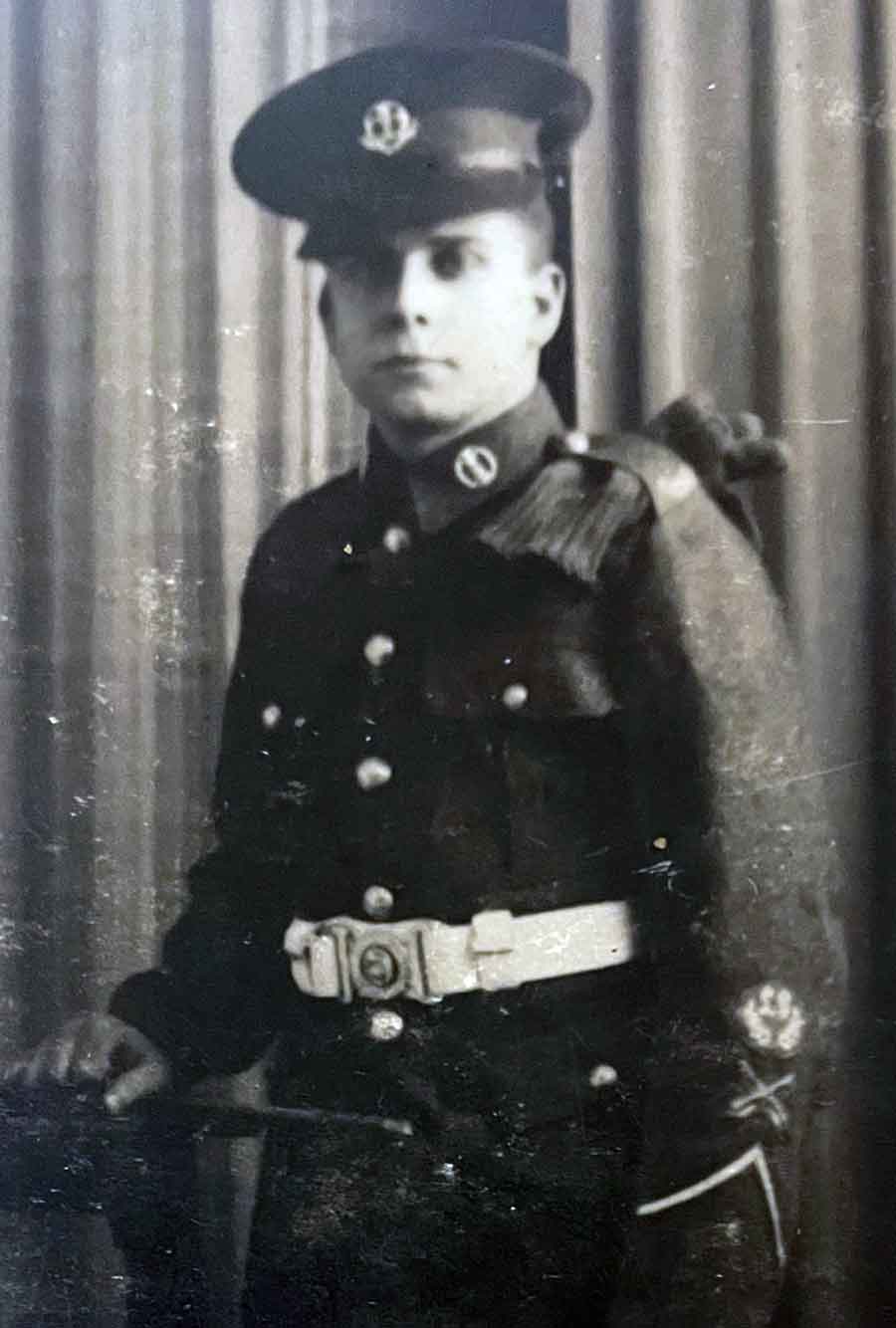
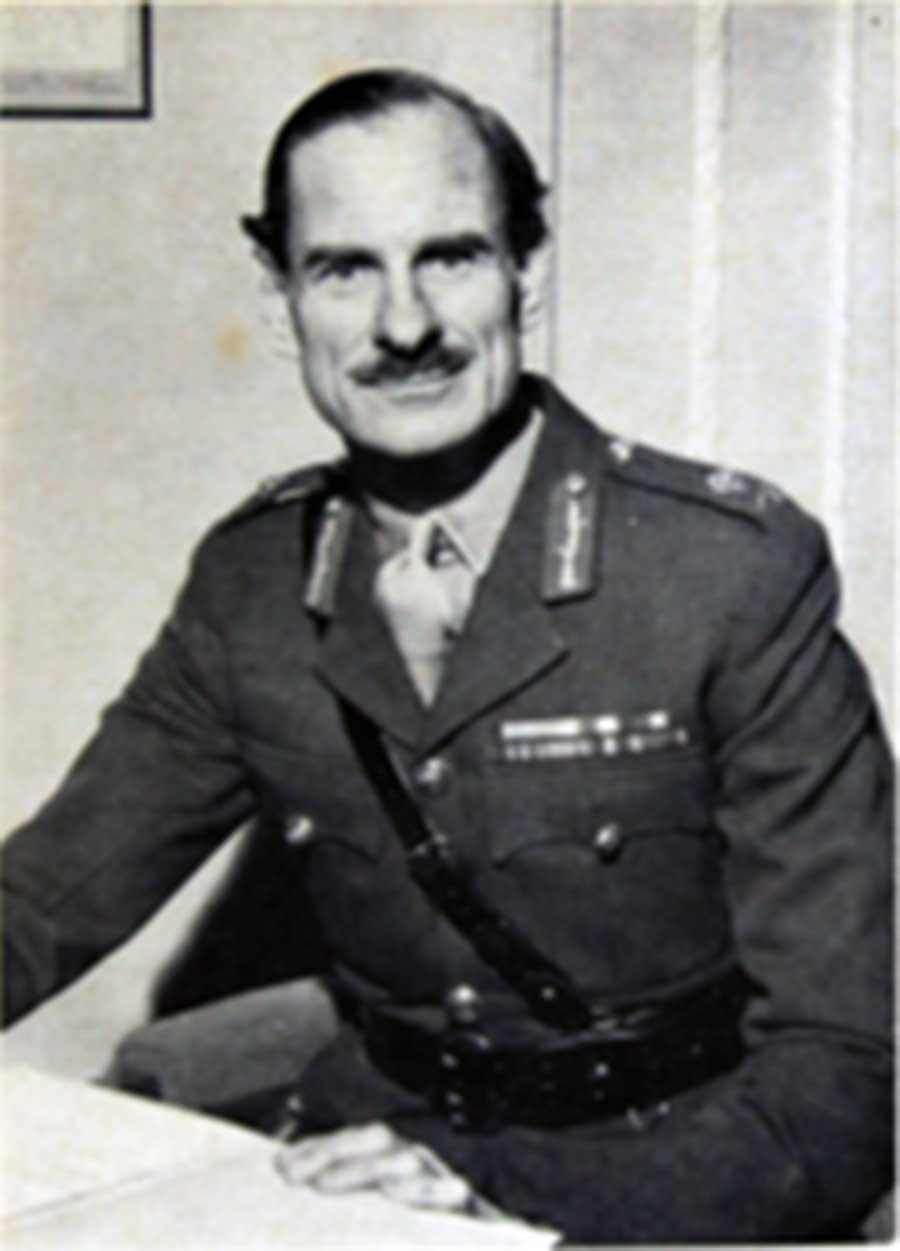
Scroll up and down over the images to see more
If you select a particular image it will tell you who they are
To view the Personal Histories LiMMA has gathered of the men on the Lisbon Maru visit our page for
The Men
Getting Started
The LiMMA website now provides a very good starting point. There is a concise history of the Battle for Hong Kong , the Sinking of the Lisbon Maru and the Imprisonment of the Men.
We also have a Further Information page, which lists a number of books and other sources of information.
Our digital memorial to the Men on Board the Lisbon Maru lists all the men, their Rank or Role, Regiment and Unit, Service Number and if they died on the Lisbon Maru or during the war, their Date of Death, Place of Burial or Commemoration and a link to their personal entry on the Commonwealth War Grave Commission's database.
The Commonwealth War Graves Commission honours the memory of those who died in the two World Wars by maintaining their graves and memorials at 23,000 locations in over 150 countries and territories. They also provide a certificate which is accepted when applying for service records.
Here to Help
We wish you luck with all your research.
Please remember members of the LiMMA Steering Group are here to help with your research. Plus we have our central data store, which until you can search it yourself, we are happy to do for you, if you tell us what you need.
Please email us at submissions@lisbonmaru.org.uk
We also welcome your input, for example if you find any particularly useful resources and books, which we have not listed on our Further Information page, please share with us.
Then when you are ready please share or update your relative's history by completing the online form on our Sharing your History page.
Progressing your Research
Service Records
Some full service records have been transferred to the National Archives with some still being held by Ministry of Defence.
A useful guide can be found via the following link:
Guide to Researching Military Service Records
Then to obtain your relative's Service Record use the following link:
Please be aware that the waiting time for service records is currently around 18 months.
Forces War Records
Other interesting information can be found in the following records:
- POW Index Record Cards
- These provide useful personal information on the POWs and their relatives.
- Reporting Sheets
- Covering capture or the fact that they are simply reported missing.
- MI9 De-brief Questionnaires
- Each POW should have completed one of these when they were liberated and provide information on where the POWs have been held and when.
These records are available for a fee via the following link:
The National Archives
The National Archives holds many helpful records, including Ships' Logs and Formation/Unit War Diaries.
All naval ships maintain a log of where they sail and are stationed, along with other useful details. Many of these are held at the National Archives and you can look for a particular Ship's Log on the National Archives' website, via the following link:
The Army equivalent of the Ships' Logs is the Formation/Unit War Diaries. These diaries give a day-by-day account of events within the unit, mention individuals by name (usually only officers) and provide an interesting insight into where sub-units were located during periods of conflict.
Many of these diaries are now available on the National Archives' website, via the following link:
Regimental Museums
Most regiments, or their modern day descendants, have a museum, which can be a very useful resource for your research. Many of these Regimental Museums also offer an history of the regiment on their websites.
See our Further Information page for a list of the main Regimental Museum websites, relevant to the men on the Lisbon Maru.
Regiment/Unit Articles
The Royal Artillery Museum has produced several guides on the Gunners and two of specific interest are the WW2 Tracer Cards Research Guide and the Unit Records Research Guide.
LiMMA is also gathering a series of articles about each of the regiments or service units with men on the Lisbon Maru.
An Outline History of the Middlesex Regiment, Duke of Cambridge's Own is a brief history written by Lieutenant Colonel (Retired) Roger Gancz and Major (Retired) Brian Finch MCIL both late of the The Middlesex Regiment.
Other Organisations
There are a number of organisations, which have online resources, which you may find useful. Some of these may require you to be a member to access their resources and others are paid for services.
The FEPOW Family was established to research loved ones, who suffered in the Far East during WWII. Please access their website via the following link:
COFEPOW is a Registered Charity dedicated to perpetuating the memory of the Far East Prisoners of War. Please access their website via the following link:
Genealogy websites such as Ancestry and Find my Past do provide useful information, but it is often based on information or documents, previously found by other relatives.
You normally have to pay for an account and there can be additional costs to see specific documents. But do watch out for their offers around anniversary dates and their current New Year offers.
The internet is an incredible resource, where we can find all sorts of new information almost daily, but just be careful of some of the sources.
Books
There are a number of books which provide excellent background information, personal stories and accounts.
References for these books and several others are available on our Further Information page.
The Sinking of the Lisbon Maru Britain’s Forgotten Wartime Tragedy
Tony Banham
Tony is considered by many to be the person to go to regarding all things regarding the Lisbon Maru. His book provides a well researched background to the sinking, running from the start of the battle through to the liberation of the surviving POWs.
A Faithfull Record of the Lisbon Maru Incident
Translated by Major (Ret’d) Brian Finch.
Brian provides a translation of an original Chinese book compiled by members of the Lisbon Maru Association of Hong Kong with additional material. This book focuses on the Chinese fishermen’s involvement in the tragedy and subsequent assisted escape by three POWs, as well as providing a summary of events during the battle.
The Lisbon Maru Massacre A Dramatis Personae
Steve Denton and Robert Widders
This book lists each of the 1816 POWs on the Lisbon Maru as well as giving a short synopsis for many of the men and timelines on the POW camps. They authors also provide useful information on the sources of their considerable research.
The Battle for Hong Kong
Philip Cracknell
Philip’s book covers the historical prelude to the war through to the surrender on 25 December 1941.
Surviving the Lisbon Maru
Andrew Salmon with his son Ken Salmon
Before he passed, Andrew Salmon had worked tirelessly to gather first-hand accounts from fellow Lisbon Maru survivors and he left an unfinished manuscript. The release of Fang Li's film "The Sinking of the Lisbon Maru" spurred his son Ken to complete his work and this extraordinary story of suffering, survival, comradeship, and resilience is the result.